Articles, newest first
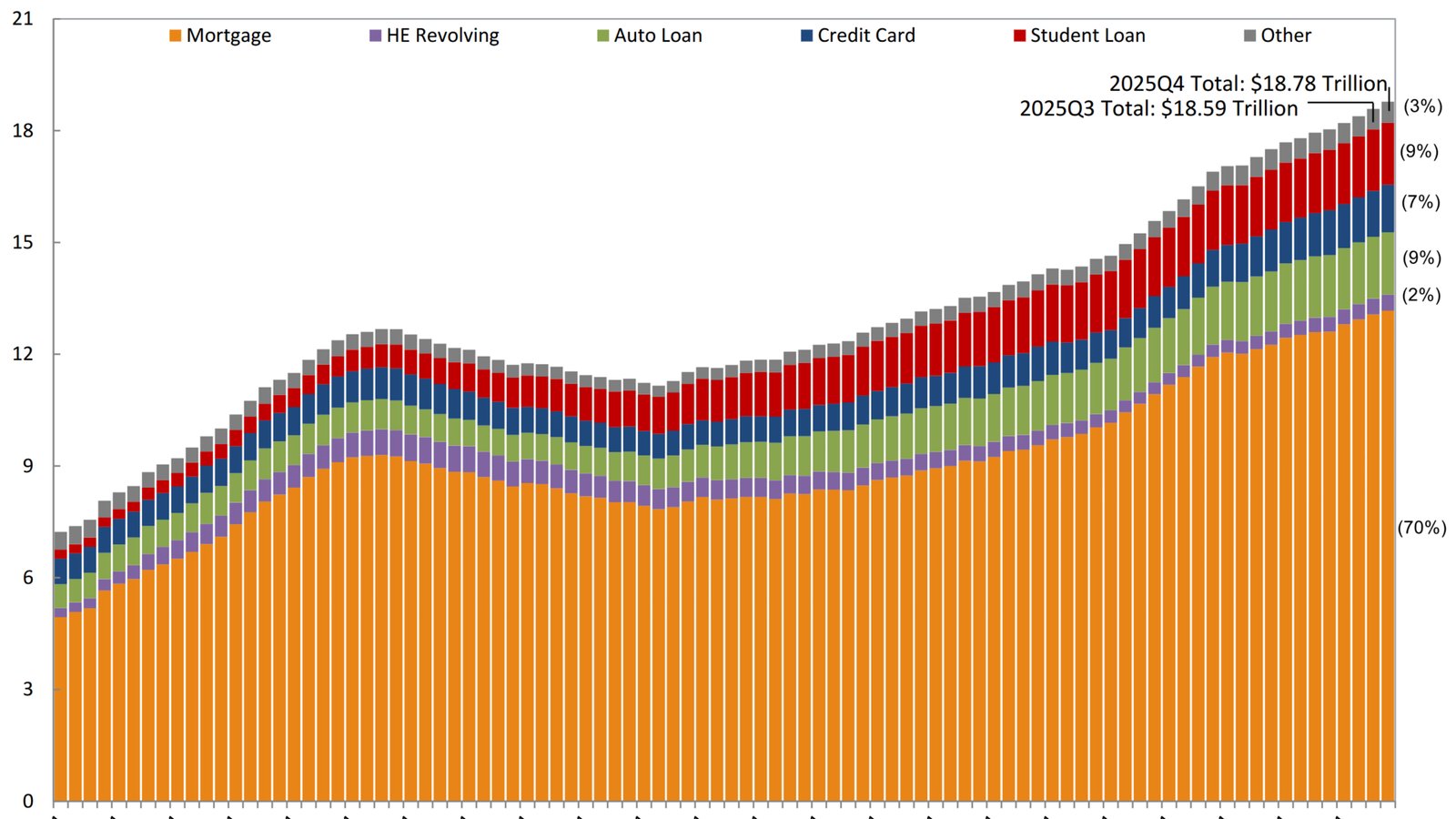
Economic Data Have Two Dates
A GDP value describes one quarter but may become known months later and change again after that. Financial and economic analyses need to preserve both clocks.
Read article
Microwaves Heat Food Without Making It Radioactive
Microwave cooking transfers energy into food. Understanding the difference between radiation, radioactivity, and heating helps us assess an alarming social-m...
Read article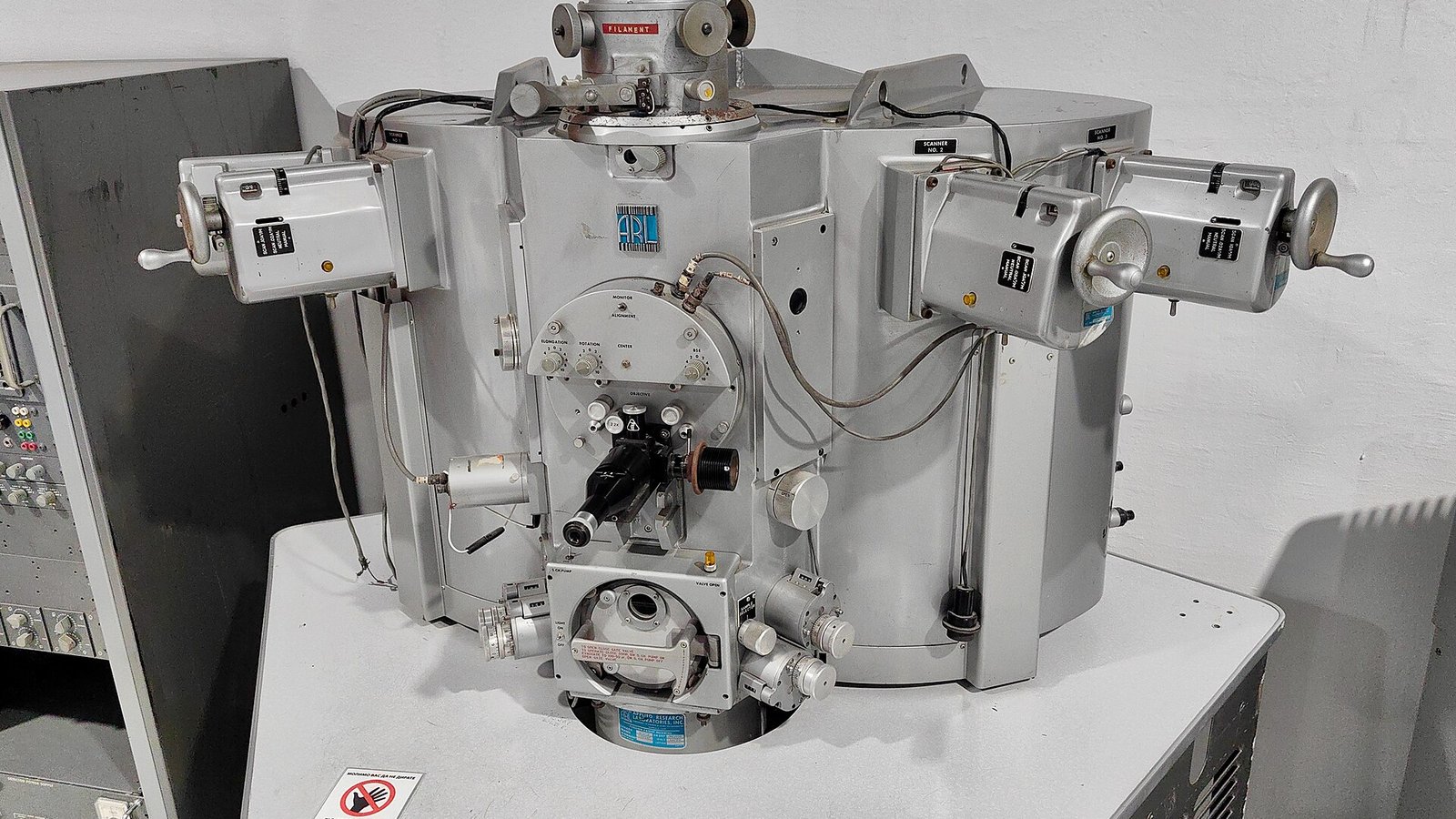
What a Wearable Heart Alert Can Actually Tell You
A wearable alert has a population, a time window, and a follow-up pathway. Reading those details changes what its accuracy figure can tell us.
Read article
Numerical Verification Comes Before Optimization
A solver can conserve mass to machine precision and exhibit second-order self-convergence while approaching the wrong answer. A small conversion model shows ...
Read article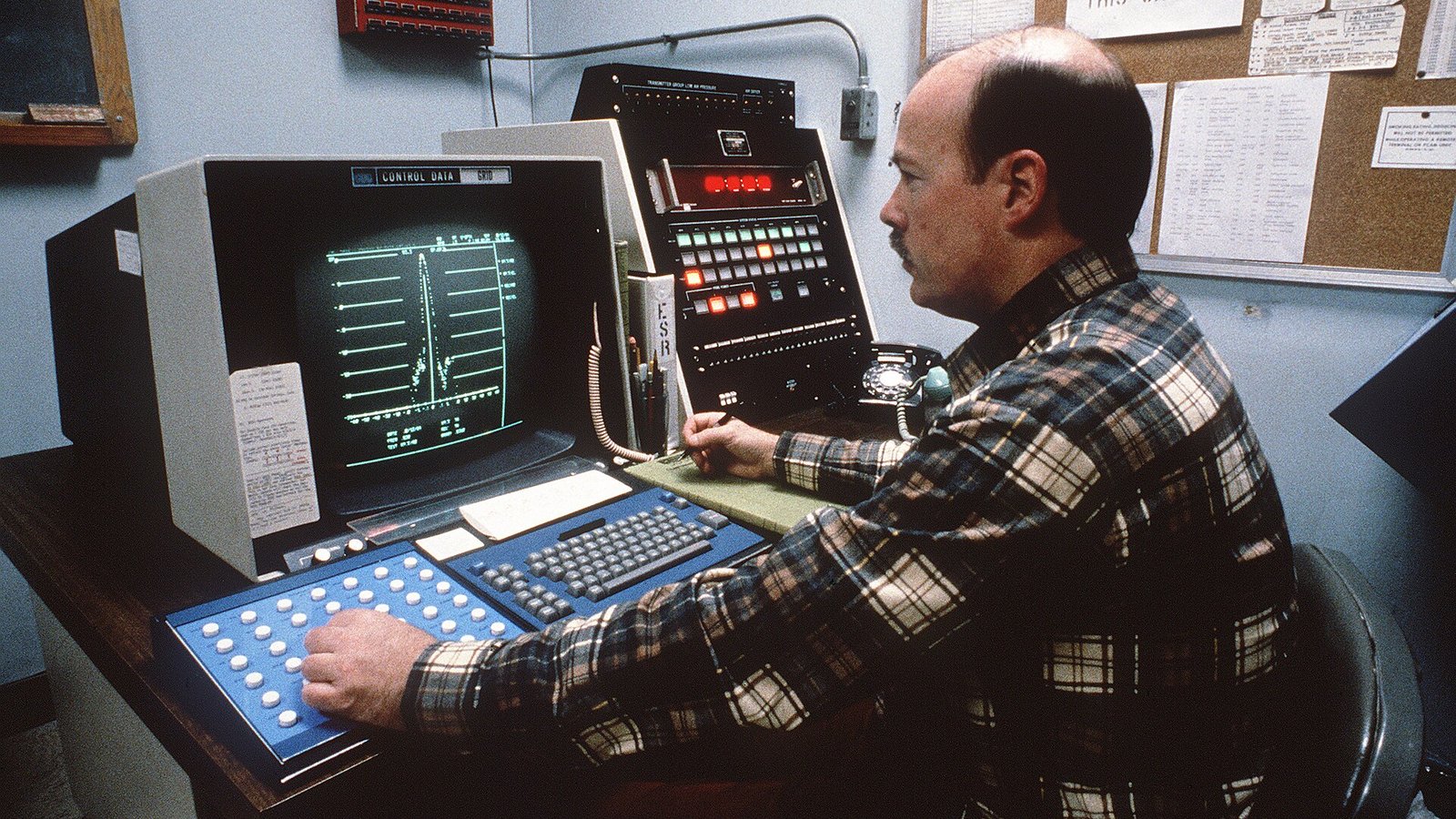
Monitoring Without Labels: What Is Actually Identifiable?
Two production environments can have identical inputs, predictions, and confidence scores while one has 90 percent accuracy and the other 10 percent. A monit...
Read article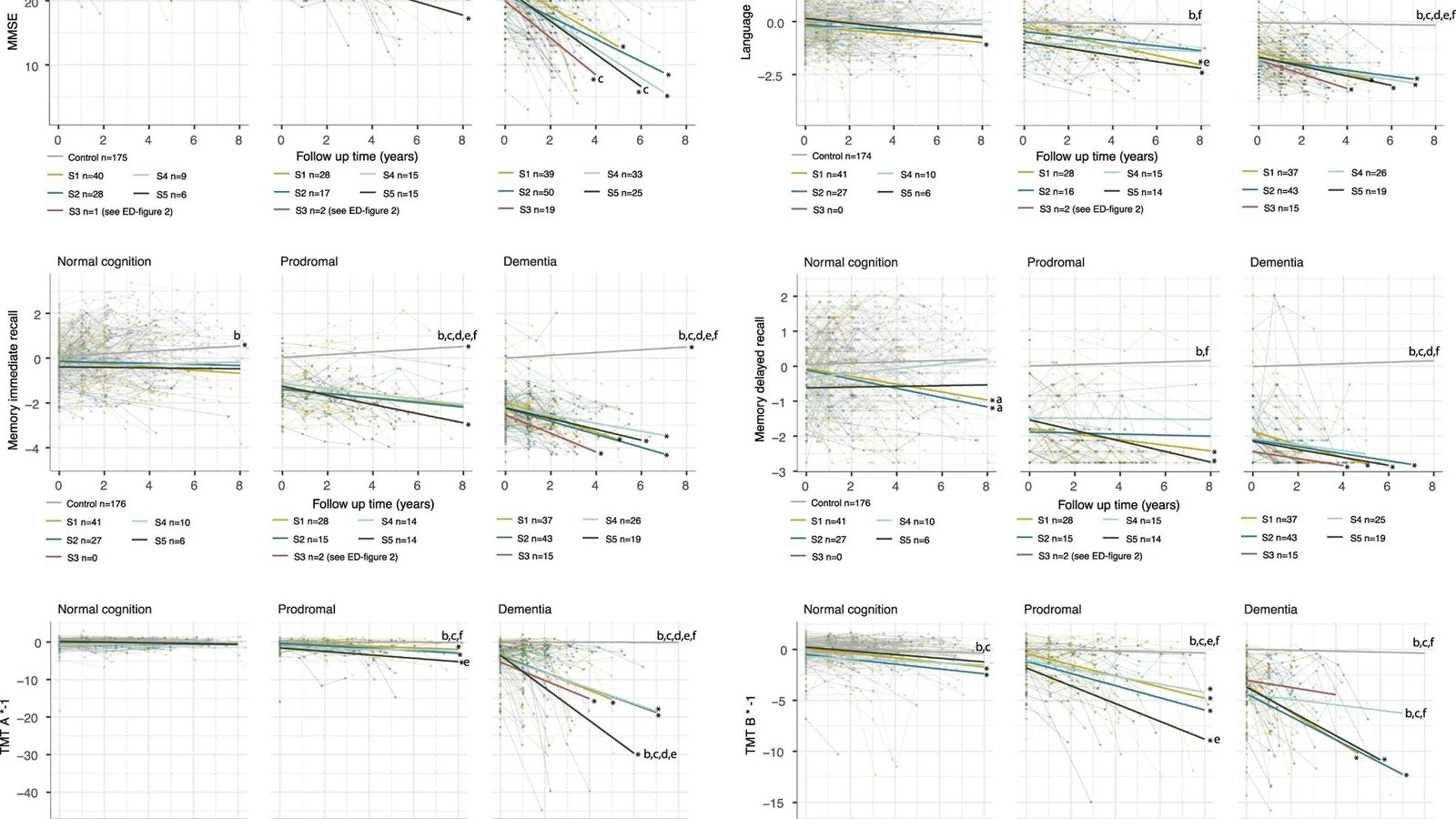
More Subjects and Longer Trajectories Solve Different Problems
One thousand observations can mean twenty people measured fifty times or two hundred people measured five times. The better design depends on whether we need...
Read article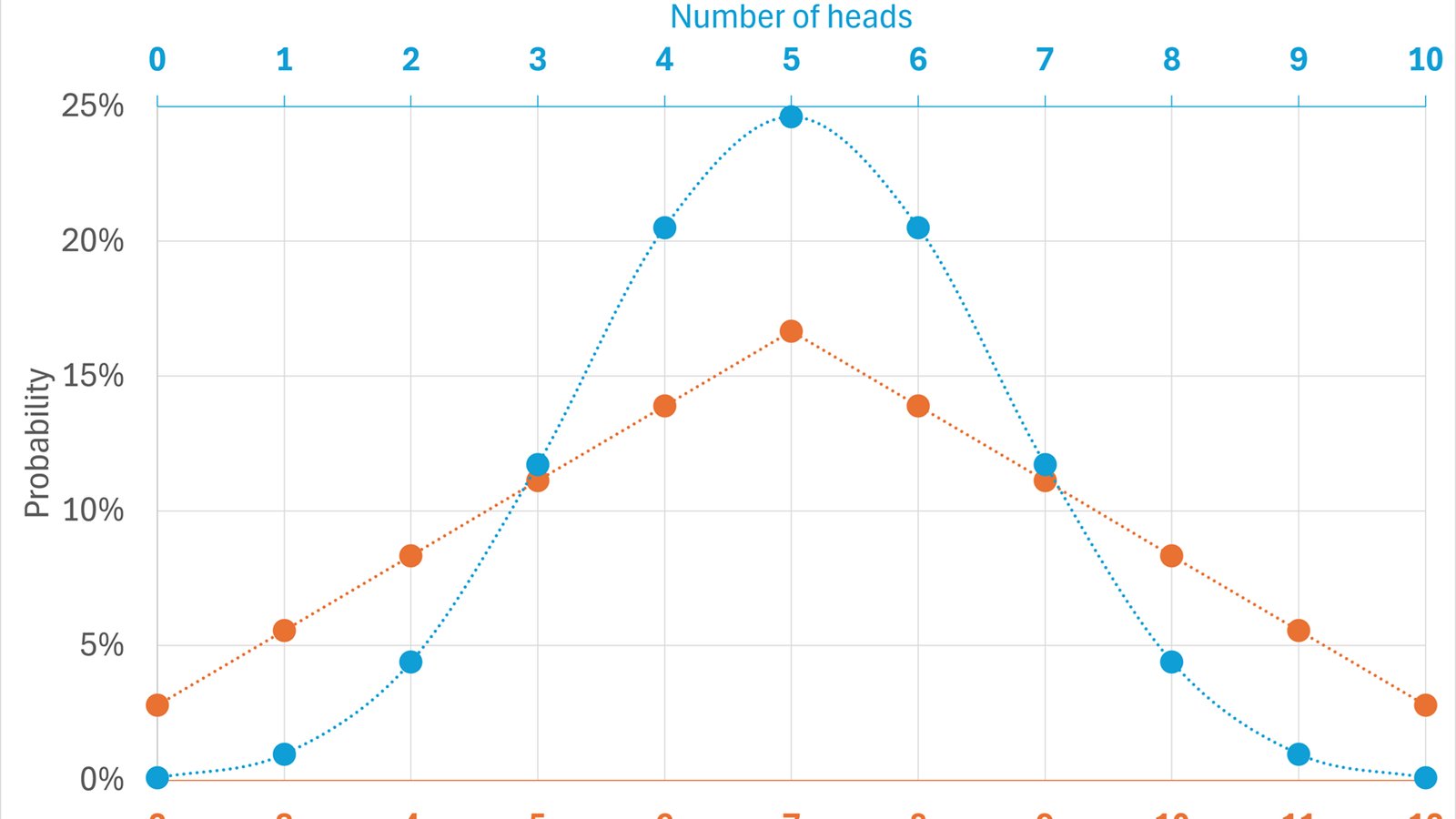
What a Before-and-After Testimonial Can Establish
A genuine improvement does not identify its cause. A worked probability model explains how selected starting measurements, natural variation, and selective r...
Read article
A Database for Analysis: Rows, Columns, Indexes and the Planner
The same five million orders answer an analytical query in 2 milliseconds or in 11 seconds, and a key lookup in 17 microseconds or 570, depending on how the ...
Read article
A Data Lake Is a Directory With Rules
A data lake is files in folders plus the conventions that make them usable. The same six million rows answer a question in 10 milliseconds or in 2.7 seconds ...
Read article
Why Exact Post-Selection Confidence Intervals Can Be Enormous
An exact 95% interval of [-71.7, 2.5] for a unit-variance Gaussian mean is not a bug. It is what conditioning on a selection event costs when the selected va...
Read article