Statistics is the core of the site: how to reason from incomplete data without turning assumptions into decoration. This hub collects articles on inference, modelling, diagnostics, uncertainty and probability.
Start here
- Conformal Prediction for Operational Risk Decisions
- Understanding Statistical Significance in Data Analysis
- Why the Mann-Whitney Test Is Not Simply a Test of Medians
- Missing Data Mechanisms in Machine Learning
Foundations
Probability, distributions, estimation, hypothesis testing and common errors.
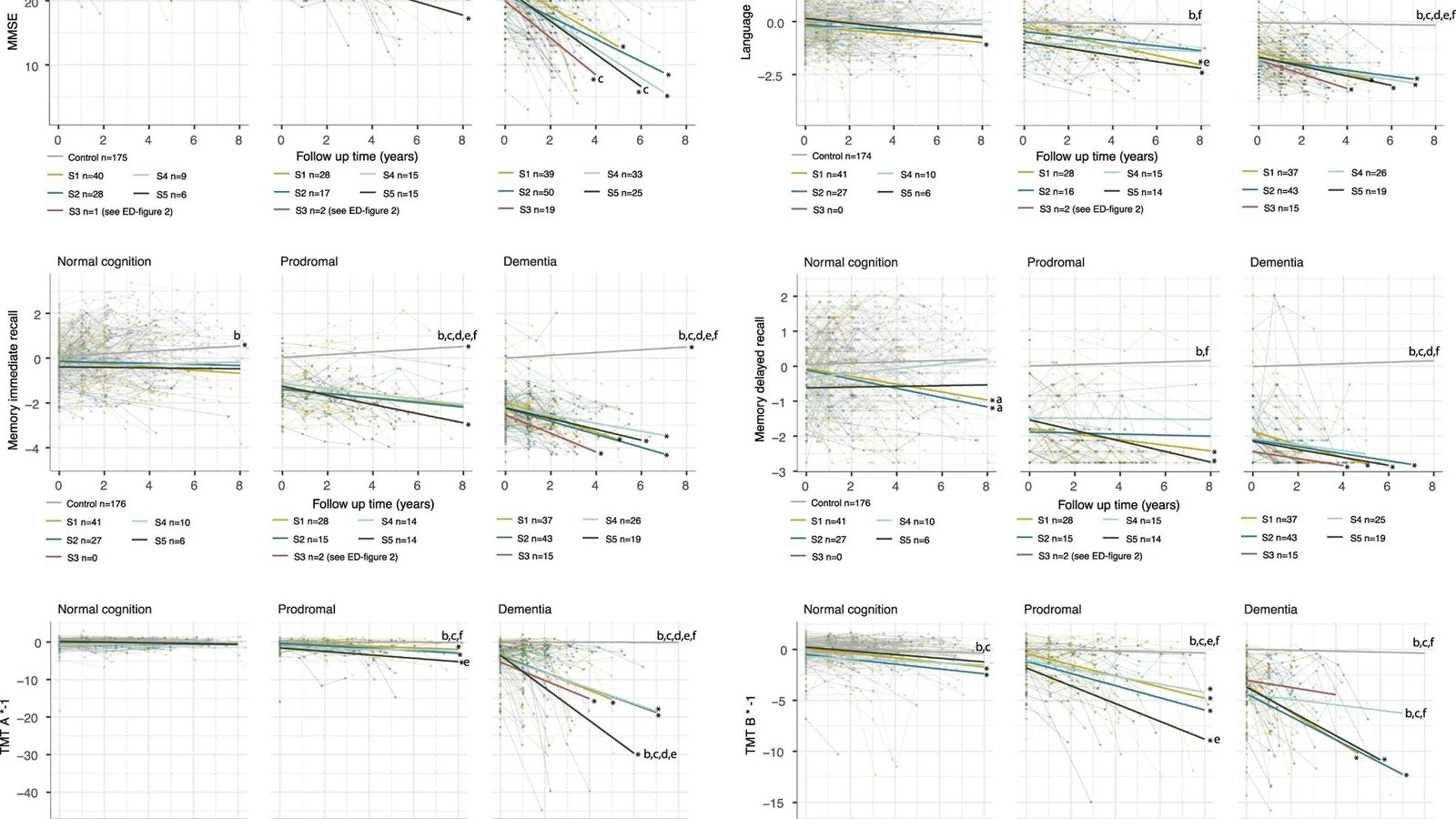
More Subjects and Longer Trajectories Solve Different Problems
One thousand observations can mean twenty people measured fifty times or two hundred people measured five times. The better design depends on whether we need...
Read article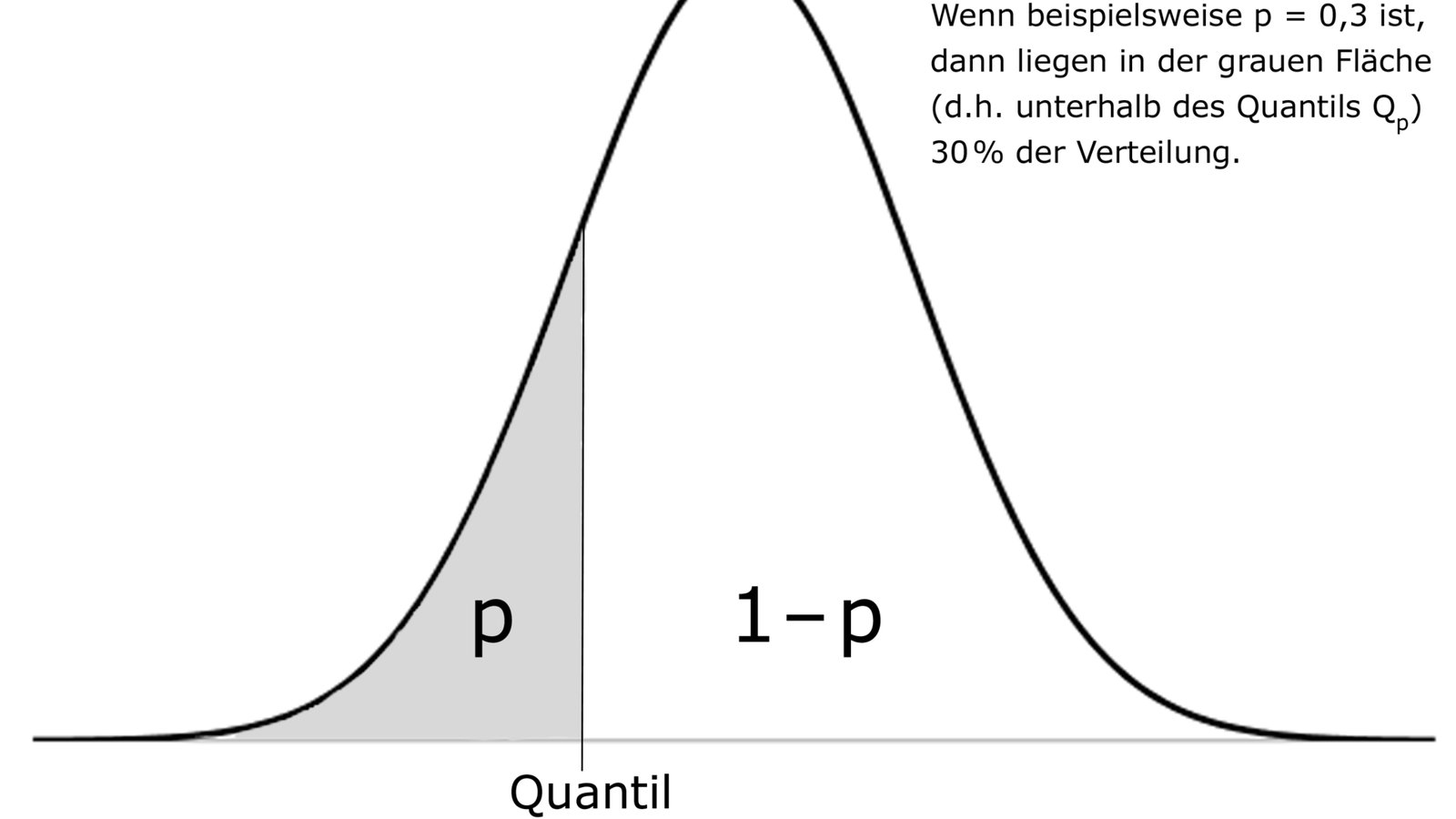
Why Exact Post-Selection Confidence Intervals Can Be Enormous
An exact 95% interval of [-71.7, 2.5] for a unit-variance Gaussian mean is not a bug. It is what conditioning on a selection event costs when the selected va...
Read articleWriting Statistical Software as Executable Mathematics
In statistical software, many of the strongest tests are not input-output examples. They are equations: test inversion must agree with pointwise decisions, p...
Read articleThe Trouble With Smooth Curves in Small Simulation Studies
Simulation studies often evaluate a method on a coarse parameter grid and then draw a smooth curve through the results. The plot looks persuasive. The proble...
Read article
Why I Don't Automatically Reach for Machine Learning
Machine learning is often treated as the default destination of a data project. I prefer the opposite order: understand the problem, write down the structure...
Read article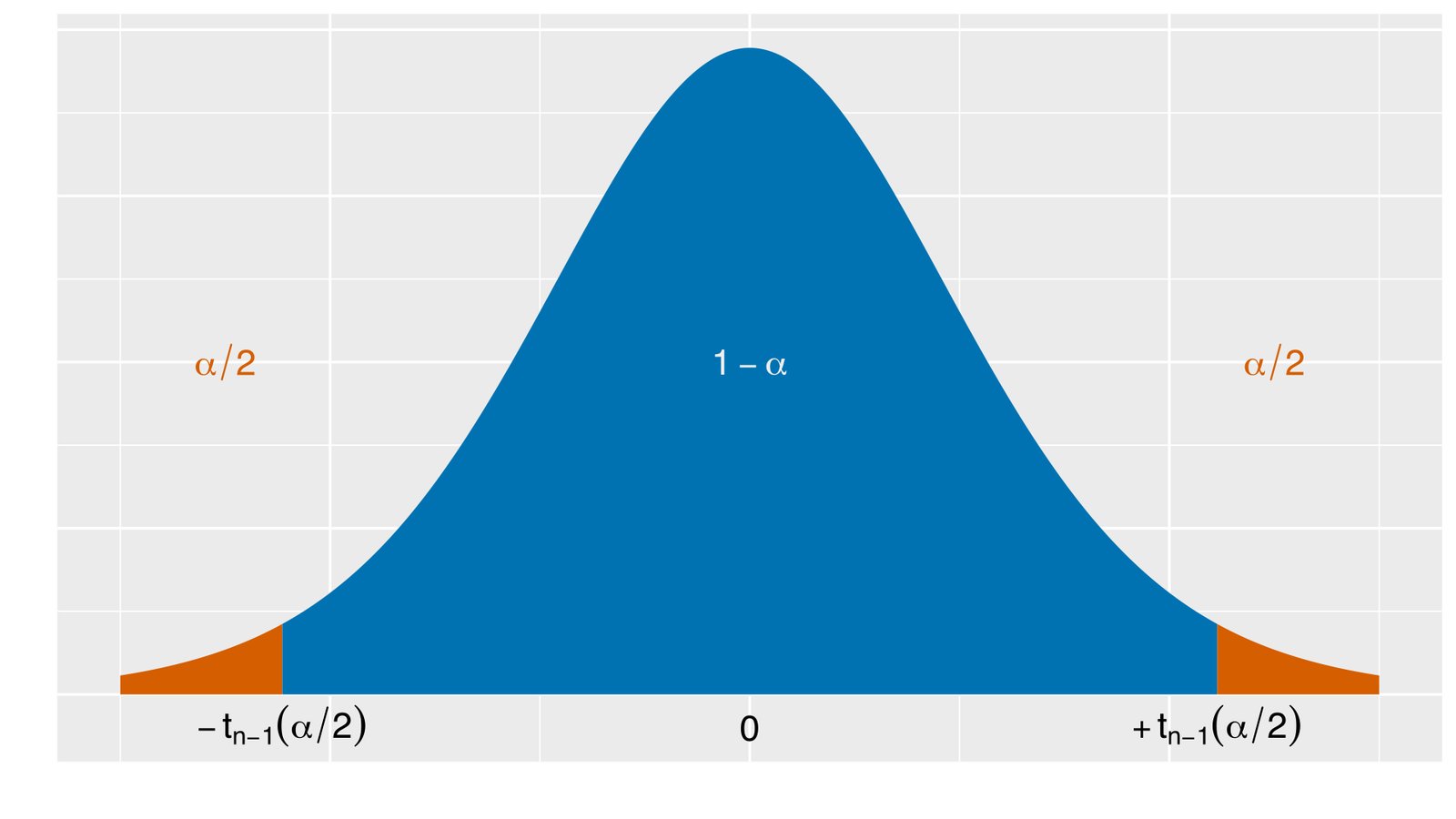
Confidence Sets Are Not Just Intervals
A 95% confidence set is whatever a test fails to reject, and nothing makes that an interval. One small model gives an empty set, two, three or four pieces as...
Read article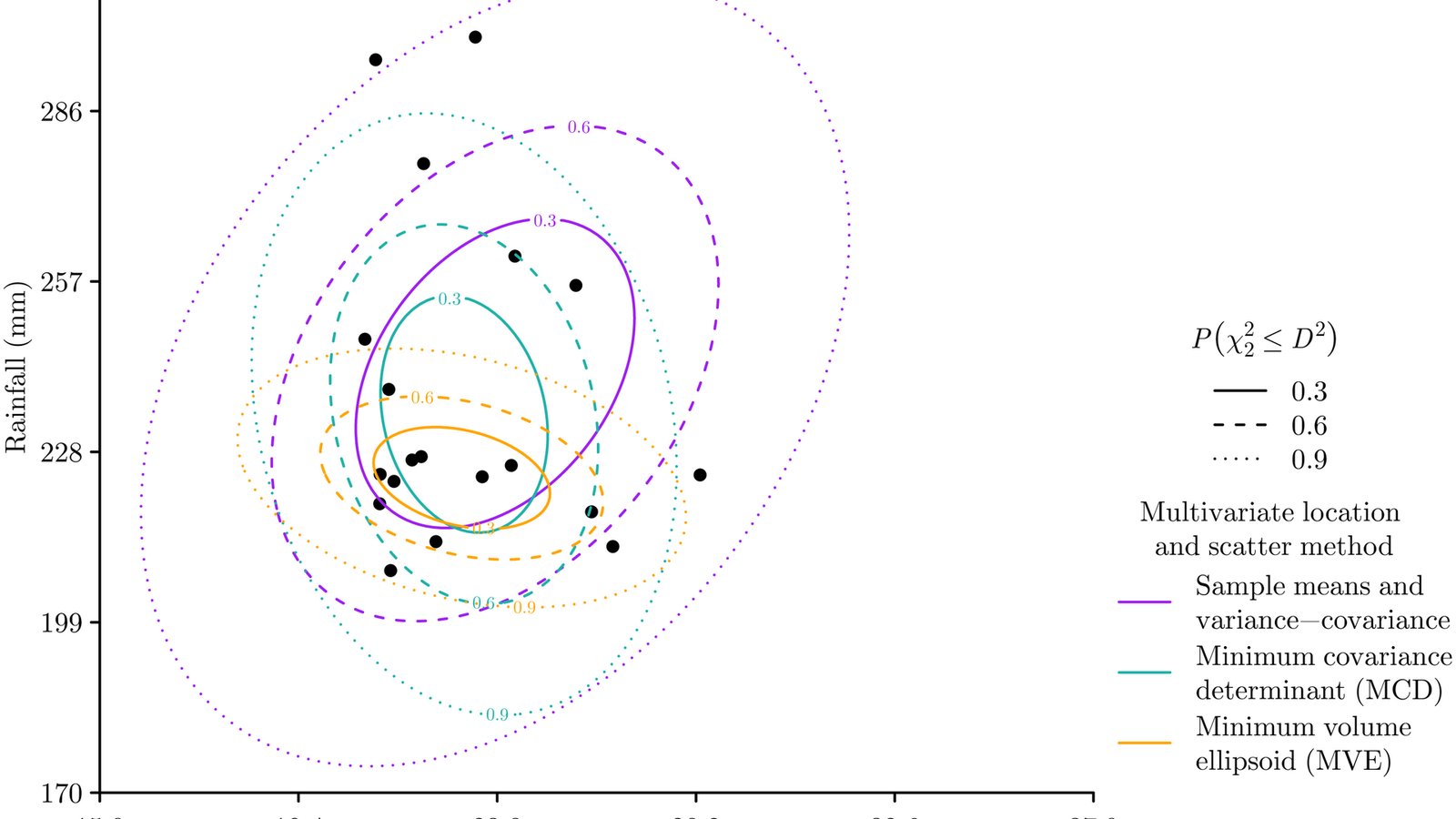
What Makes Statistical Software Trustworthy?
Statistical software can pass ordinary unit tests and still fail scientifically. The most dangerous bugs often return plausible numbers. Trust comes from tes...
Read article
Week Over Week: A Comparison That Moves Five Percent on Its Own
Today against the same day last week moved 6 percent, so the channel gets investigated. On a metric where nothing has changed at all, that comparison has a s...
Read articleModelling and diagnostics
Regression, GLMs, Bayesian models, robust methods, survival analysis and model checking.

Propensity Scores: Matching, Weighting and the Estimator That Forgives One Mistake
Four estimators agree on the effect when both models are correct. Misspecify the outcome model and regression adjustment is off by 0.19; misspecify the treat...
Read article
State Space Models and the Kalman Filter
The Kalman filter is usually introduced as a tracking algorithm for spacecraft. It is more useful understood as the general engine for estimating hidden stat...
Read article
Hierarchical Forecasting: Making Forecasts Add Up
Forecast every store separately and the total will not match the forecast you made for the company. Reconciliation is how you make a hierarchy of forecasts c...
Read article
Forecast Combination: Why Averaging Usually Wins
Choosing the best model is the obvious strategy. Averaging several is usually better, and the reason is not that the average is smarter but that it is less w...
Read article
Regime-Switching Models for Time Series
A single model fitted across a recession and an expansion describes neither. Regime-switching models allow the dynamics themselves to change, with the regime...
Read article
Nowcasting with Mixed-Frequency Data
The quantity you care about arrives quarterly and two months late. Related indicators arrive daily. Nowcasting is the problem of estimating the present from ...
Read article
Interrupted Time Series and Causal Impact
A intervention happened at a known date and you need its effect. There is no control group, only the series itself before and after, and the counterfactual h...
Read article
Temporal Hierarchies: Reconciling Across Time Granularities
A hierarchy does not have to be geographic. Aggregating a series over time produces the same coherence problem, and the same machinery solves it.
Read articleUncertainty and decision-making
Calibration, confidence intervals, prediction intervals, Bayesian decision theory and operational risk.
Modelling Count Time Series
Daily incident counts are integers, non-negative, often small, and correlated with yesterday. ARIMA assumes none of that and Poisson regression assumes indep...
Read article
Concentration Inequalities Quantify How Random Sums Leave Their Typical Set
The law of large numbers says averages stabilize, and the central limit theorem describes their typical fluctuations. Concentration inequalities ask a differ...
Read article
Wasserstein Distance Is Geometry, Not Just Another Divergence
Wasserstein distance does not compare probability densities point by point. It asks how much probability mass must move, how far it must travel, and what tra...
Read article
Extreme Value Theory: Estimating the Tail You Have Not Seen
The worst hour in three years of load data was 265. The ten-year level is 326 and the hundred-year level 502. A normal fit says 159. The sample maximum, a ma...
Read article
Randomness Does Not Owe Us a Reversal
Four heads in a row do not make tails due on an independent fair coin. But history can matter in other mechanisms. Three examples show exactly when the next ...
Read article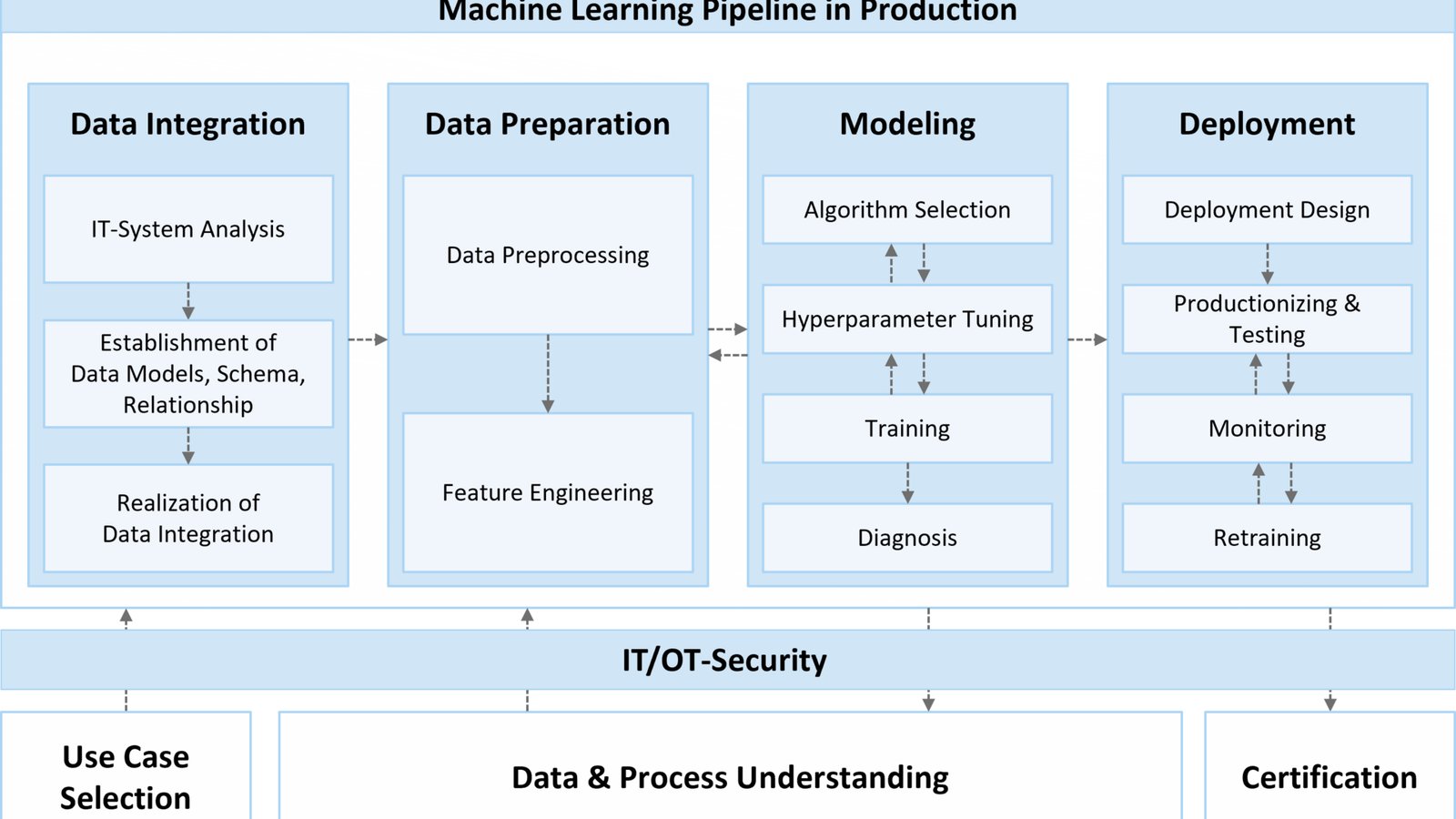
Probability Calibration in Machine Learning: From Classical Methods to Modern Approaches and Venn–ABERS Predictors
Explore the evolution of probability calibration methods in machine learning, from histogram binning to Venn–ABERS predictors, with a deep dive into theory, ...
Read article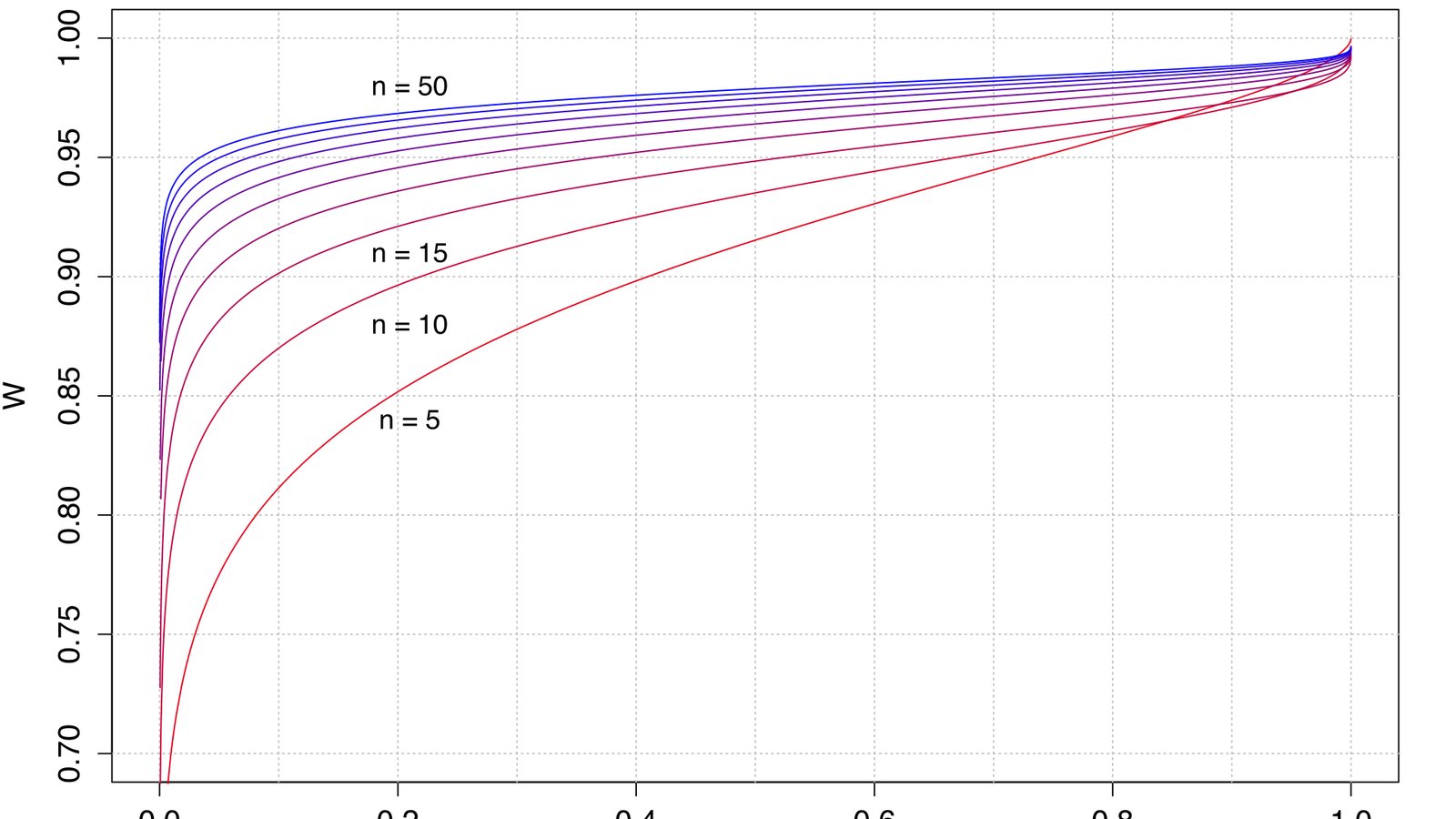
Understanding Statistical Models: Foundations, Functions, and Applications
Statistical models lie at the heart of modern data science and quantitative research, enabling analysts to infer, predict, and simulate outcomes from structu...
Read articleSafety Stock Is a Probability Problem
"Keep half a day of safety stock" sounds operationally simple, but it does not define a service level. Two items with the same mean demand and lead time can ...
Read article