Articles, newest first
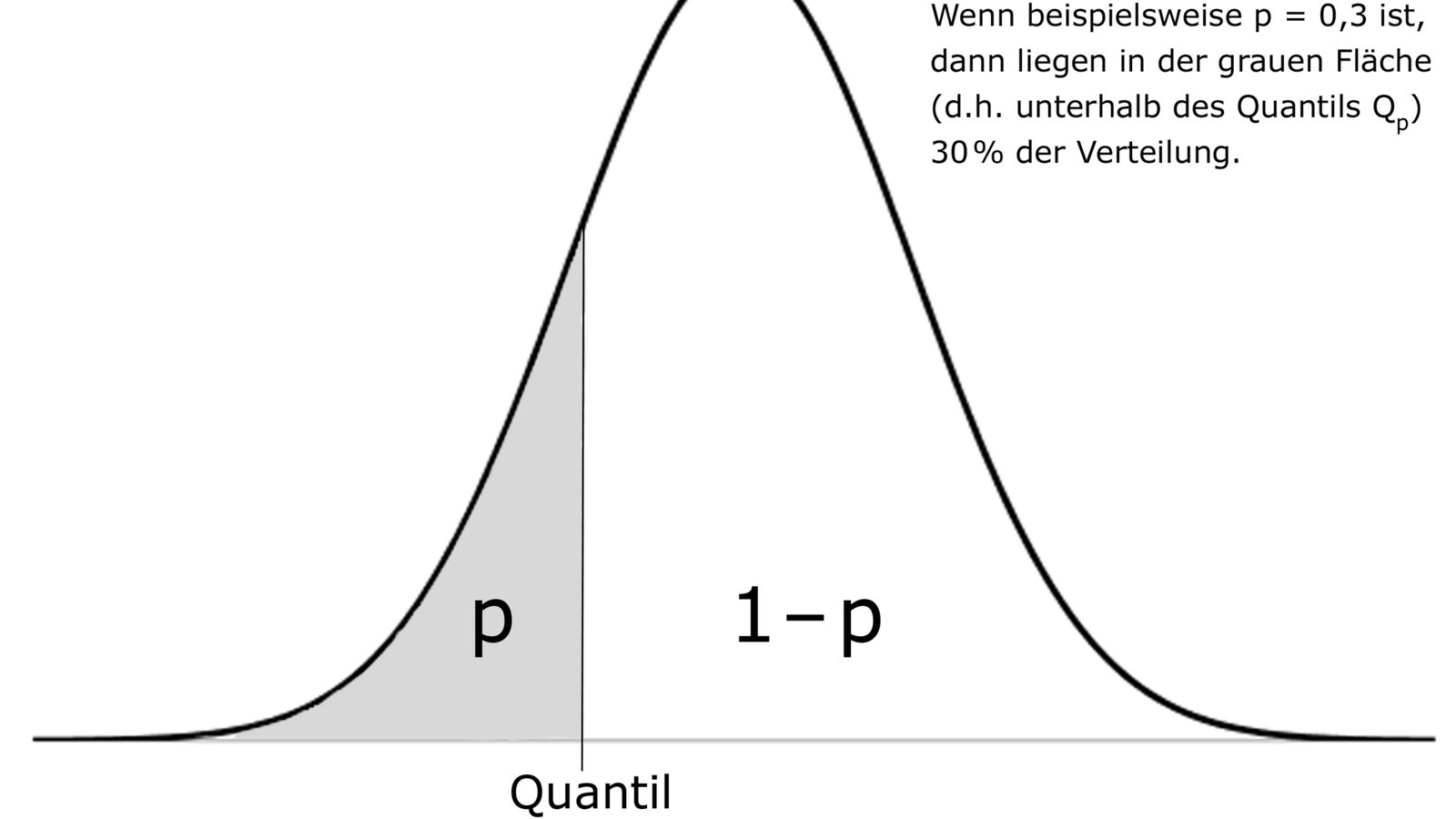
Writing Statistical Software as Executable Mathematics
In statistical software, many of the strongest tests are not input-output examples. They are equations: test inversion must agree with pointwise decisions, p...
Read articleThe Trouble With Smooth Curves in Small Simulation Studies
Simulation studies often evaluate a method on a coarse parameter grid and then draw a smooth curve through the results. The plot looks persuasive. The proble...
Read article
How Often to Retrain: A Square-Root Rule and Its Limits
Retraining every week spends 15,000 a week to prevent decay worth nothing yet. Retraining twice a year spends nearly nine times as much in lost quality as th...
Read article
Why I Don't Automatically Reach for Machine Learning
Machine learning is often treated as the default destination of a data project. I prefer the opposite order: understand the problem, write down the structure...
Read article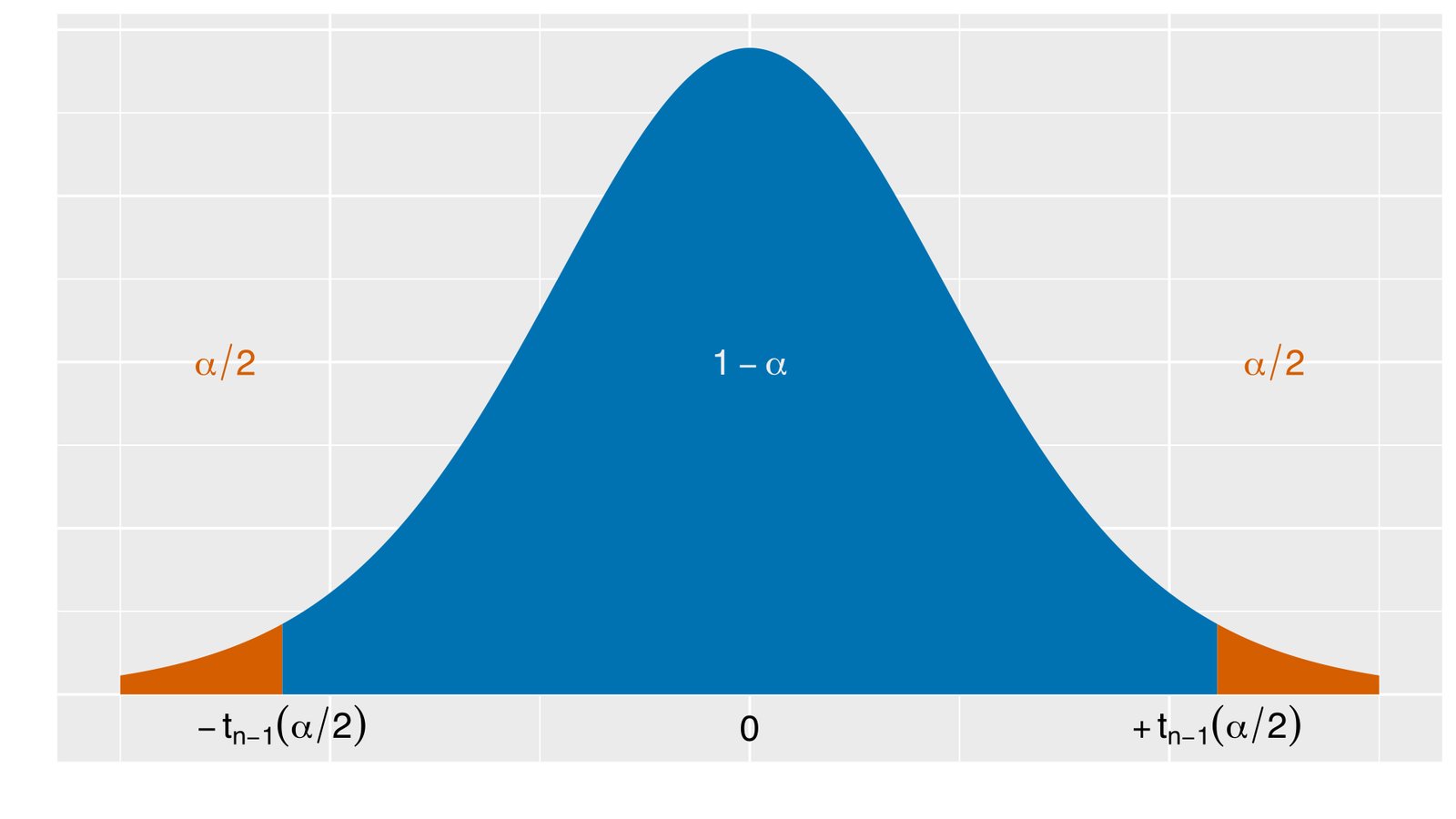
Confidence Sets Are Not Just Intervals
A 95% confidence set is whatever a test fails to reject, and nothing makes that an interval. One small model gives an empty set, two, three or four pieces as...
Read article
Proxy Metrics Under Optimisation: Why a Correlation of 0.6 Is Not a Substitute for the Goal
The proxy correlates 0.63 with the metric that matters, so the team optimises it and reports a gain of 3.8. The goal metric moved by 1.9. Change one thing, m...
Read article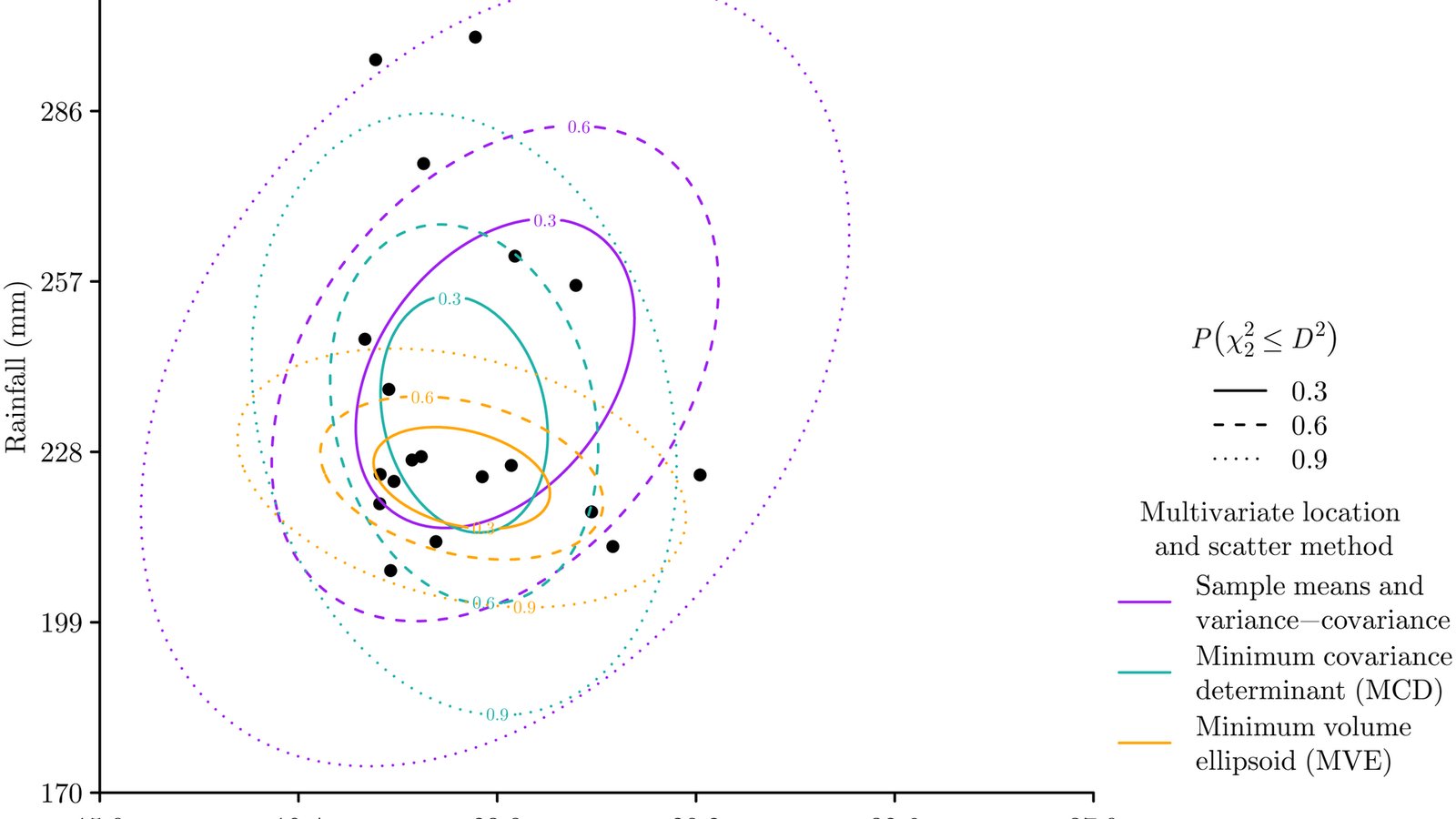
What Makes Statistical Software Trustworthy?
Statistical software can pass ordinary unit tests and still fail scientifically. The most dangerous bugs often return plausible numbers. Trust comes from tes...
Read article
Week Over Week: A Comparison That Moves Five Percent on Its Own
Today against the same day last week moved 6 percent, so the channel gets investigated. On a metric where nothing has changed at all, that comparison has a s...
Read article
Berkson's Paradox: How Selecting the Cases Worth Looking At Invents Correlations
Among escalated tickets, severity and customer value are correlated at minus 0.55. Across all tickets they are independent. Nothing about the tickets changed...
Read article
When “Science-Based” Becomes a Brand
“Science-based” can describe a method, or it can function as a brand identity. The distinction is whether claims remain proportionate to evidence, open to co...
Read article