Articles, newest first

How Antibiotic Resistance Spreads Through Bacteria
Antibiotic resistance concerns microbes and medicines. A worked example shows how a rare resistant group can become a large share of the survivors without th...
Read article
Design Analysis: What a Significant Result Means in a Small Study
The test had about ten percent power against the effect that was plausible beforehand. It came back significant at 7.7 percent. The truth was 2 percent, and ...
Read article
Trigger Dilution: Measuring a Feature on the Ninety Percent Who Never Saw It
Eight percent of users ever open the panel the experiment changed. The effect among them is a 6 percent lift, and the number on the dashboard is 0.76 percent...
Read article
Unequal Allocation: What a Ninety-Ten Split Costs
The rollout plan says ten percent to the new version, because that feels prudent. It also means the test needs 2.8 times as many users to reach the same powe...
Read article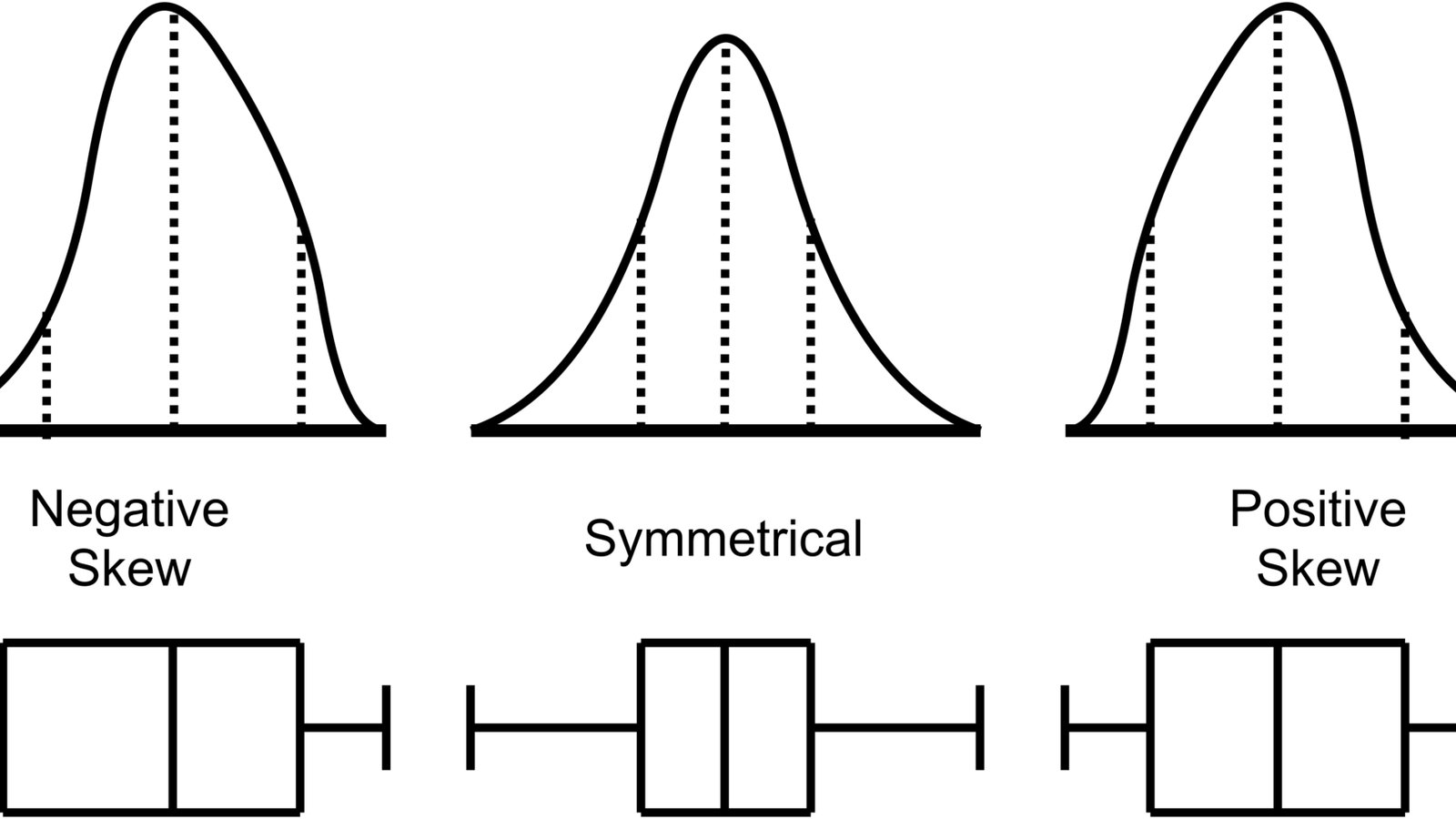
The Impossible Dream: Why Regression Confidence Bands Can't Exist Without Assumptions
Why the intuitive idea of regression confidence bands breaks down under mathematical scrutiny.
Read article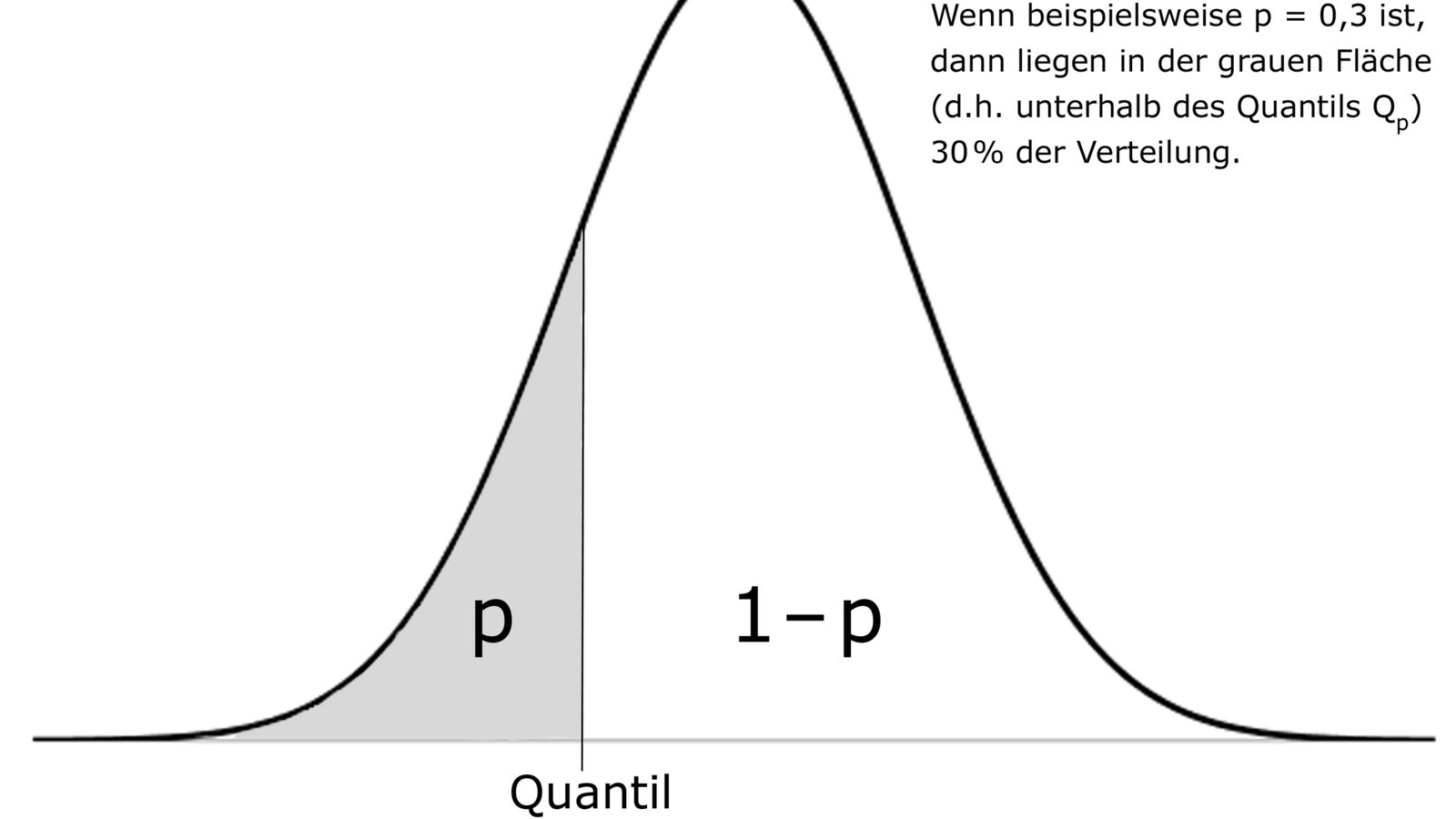
Scientific Uncertainty Does Not Make Every Explanation Equally Plausible
Scientific uncertainty does not flatten all explanations into equal possibilities. Competing hypotheses can remain uncertain while receiving very different s...
Read article
Optional Stopping: What a Daily Check Costs, and Three Rules That Make It Legal
The dashboard is refreshed every morning and the test is stopped the first time it clears 0.05. Run that way on twenty-eight days of data with no effect at a...
Read article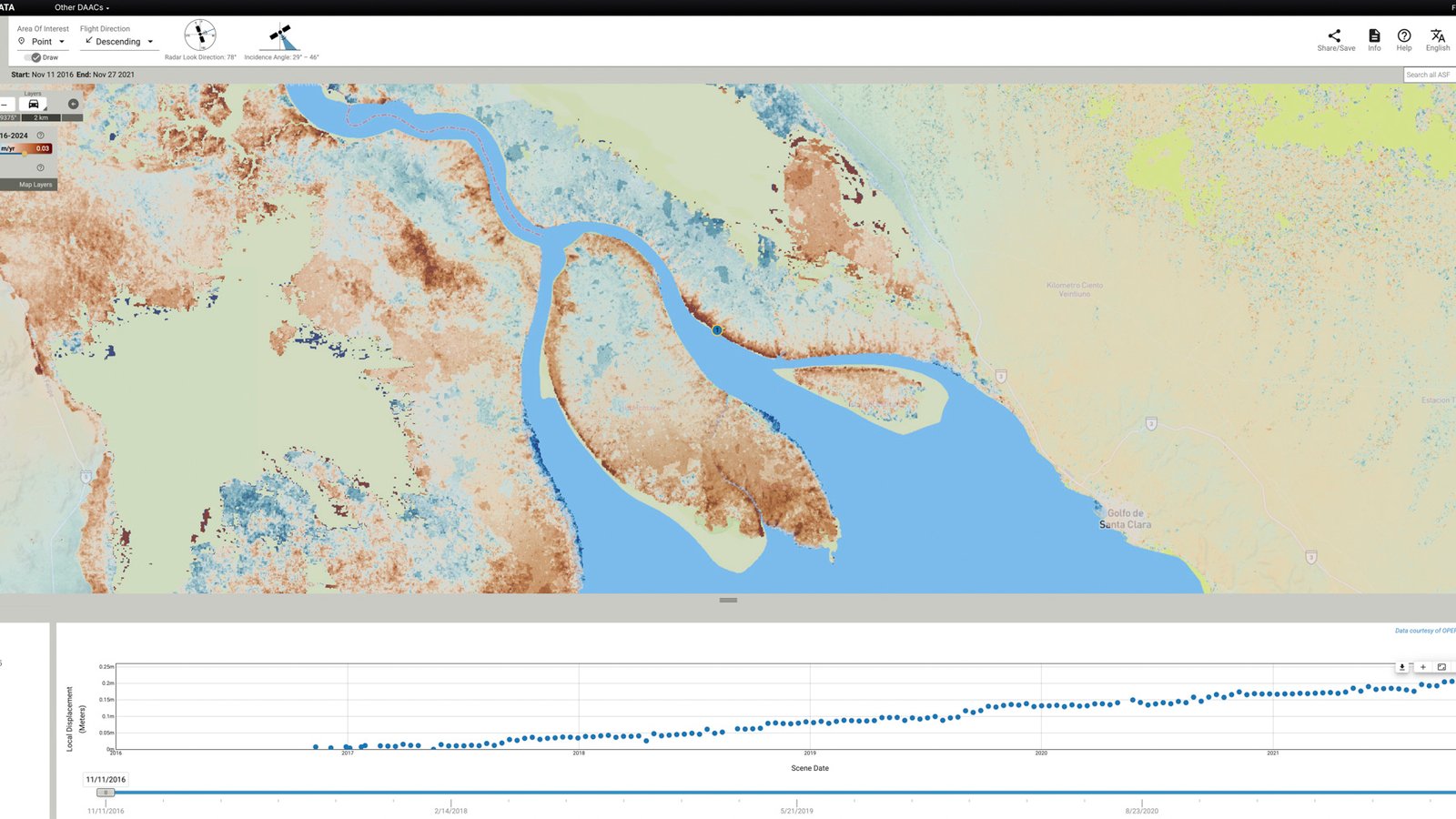
Handling Non-Stationarity in Time Series Data: Techniques and Best Practices
Non-stationarity is one of the biggest challenges in time series analysis. Explore proven techniques and statistical tools to transform non-stationary data i...
Read article
Benford's Law: A Screening Tool That Accuses the Innocent
The first digits of the expense file do not match Benford's law, and the chi-square p-value is zero to four decimal places. So are the first digits of a sala...
Read article
Run Length: How Long Your Monitor Takes to Notice
The three-sigma rule on the daily dashboard averages one false alarm every 370 days, which sounds safe, and takes 44 days on average to notice a one-sigma sh...
Read article