Articles, newest first
MNAR Is a Sensitivity Problem, Not an Imputation Contest
Under missing not at random, the unseen part of the distribution cannot generally be recovered from the observed sample alone. The central problem is therefo...
Read article
Censored Labels in Supervised Learning: When 'No Event Yet' Is Not a Negative
A churn model trained on a database extract learns that customers who joined last month never churn. It reports an AUC of 0.90, predicts under one percent ri...
Read article
A Population Average Is Not an Individual Prediction
An average treatment effect is a property of a population comparison, not a prediction for every member of that population. Even a perfectly randomized trial...
Read article
Learning Curves: Deciding Whether More Data Will Help
The request arrives as a budget line: ten thousand more labels, at two euros each. Whether they are worth it is not a matter of opinion. The learning curve s...
Read article
Parasites Are Diagnosed by Species, Not by Symptom Lists
Parasitic infections are real and can be serious. The online parasite cleanse reverses the order of clinical parasitology: common symptoms become the diagnos...
Read article
LoRA Is a Low-Rank Model of the Fine-Tuning Update
LoRA is usually described as a memory-saving trick. More fundamentally, it assumes that a useful fine-tuning update can be represented in a low-dimensional s...
Read article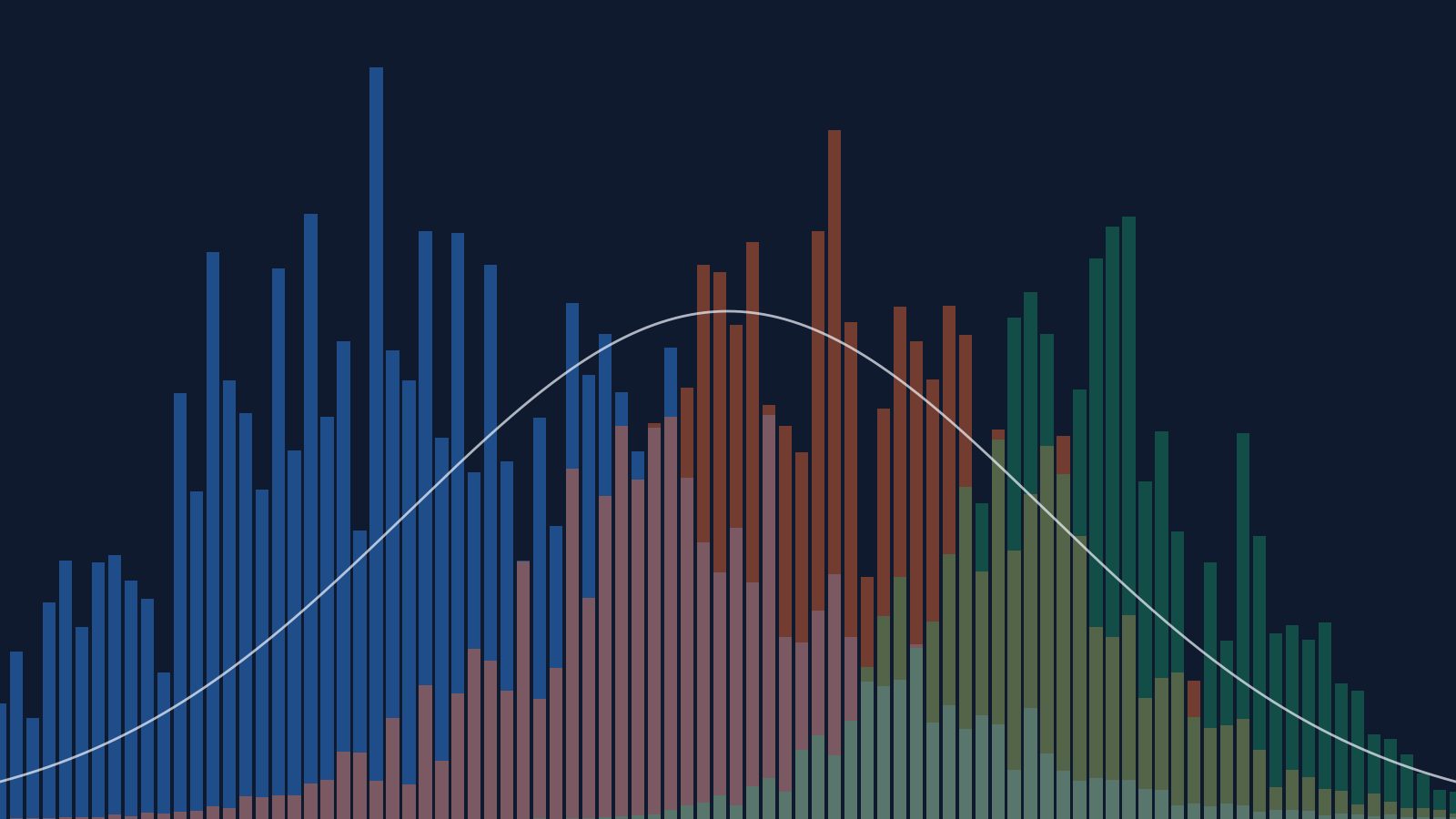
One Factor at a Time Is Not an Experiment: Factorial Designs and Interactions
The team tests each of four process settings on its own, sees two of them make things worse, keeps the baseline, and never learns that the two "harmful" chan...
Read article
Pseudo-Label Confidence Is Not the Same as Correctness
Self-training promotes model predictions into training labels. The usual safeguard is confidence thresholding, but confidence is produced by the same model t...
Read article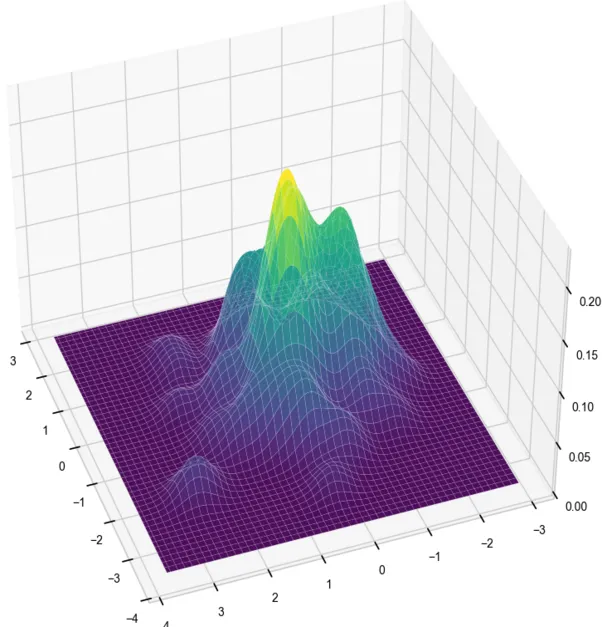
Wasserstein Distance Is Geometry, Not Just Another Divergence
Wasserstein distance does not compare probability densities point by point. It asks how much probability mass must move, how far it must travel, and what tra...
Read article
Active Learning for Machine Learning: Getting More Value from Fewer Labels
Active learning improves machine learning by choosing which examples to label, not merely by asking for more labeled data.
Read article