Articles, newest first

Regression Discontinuity: Estimating an Effect From the Rule That Assigns It
Customers with a risk score of 600 or more get the credit line; those below do not. Comparing everyone above with everyone below gives an effect of 8.5. The ...
Read article
Intermittent Demand: Forecasting a Series That Is Mostly Zeros
Eighty-two percent of the weeks have no demand. Forecasting zero every week scores the lowest mean absolute error of any method tested, and delivers a fill r...
Read article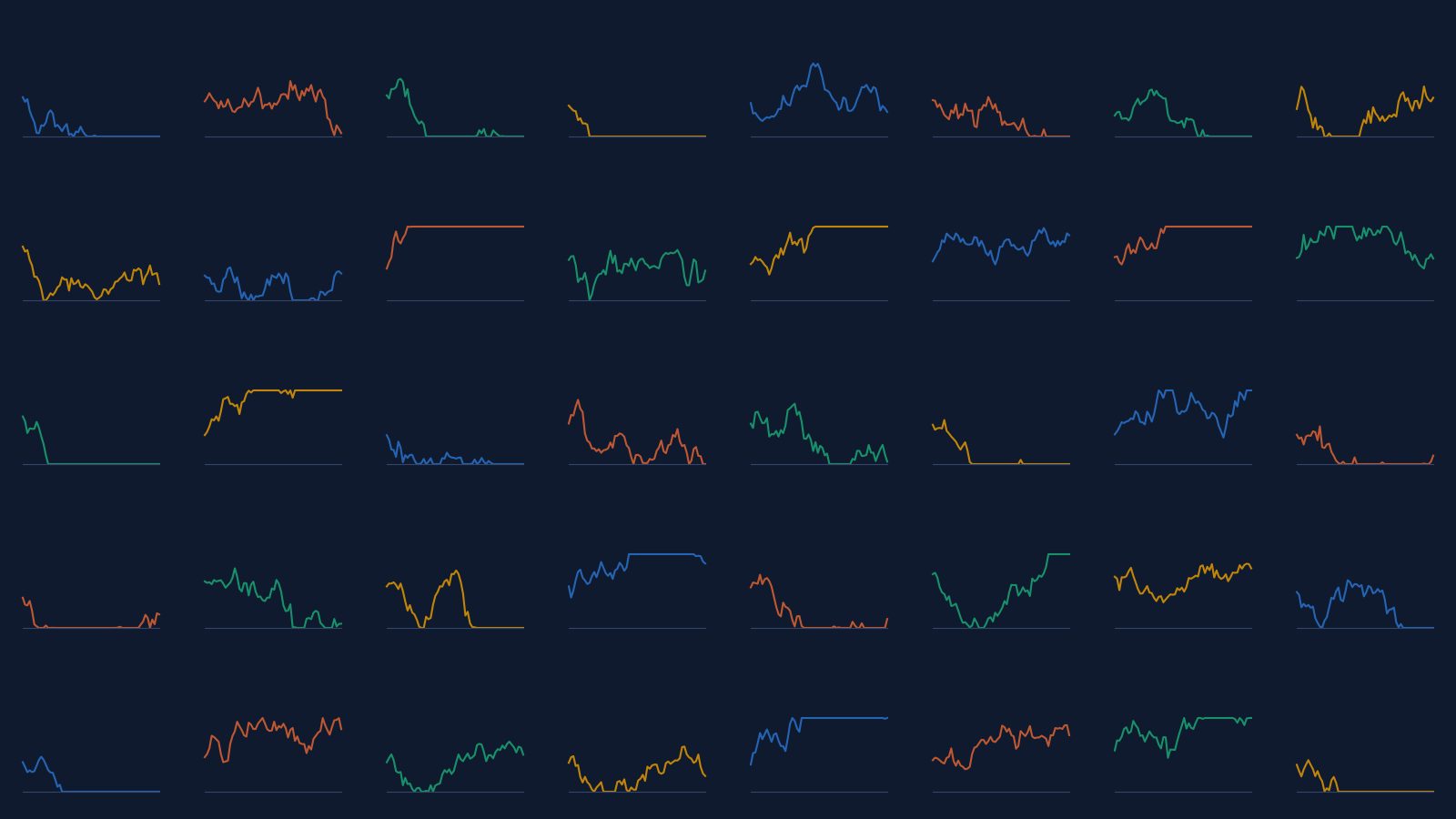
Regression to the Mean: The Improvement You Did Not Cause
Pick the worst ten machines, sites or agents, intervene, and watch them improve. Most of that improvement was going to happen anyway, and there is a formula ...
Read article
Offline Change-Point Detection: Segmenting a Series After the Fact
Sequential detection asks whether something has changed as of now. The retrospective question is different: given two years of a sensor's history, where did ...
Read article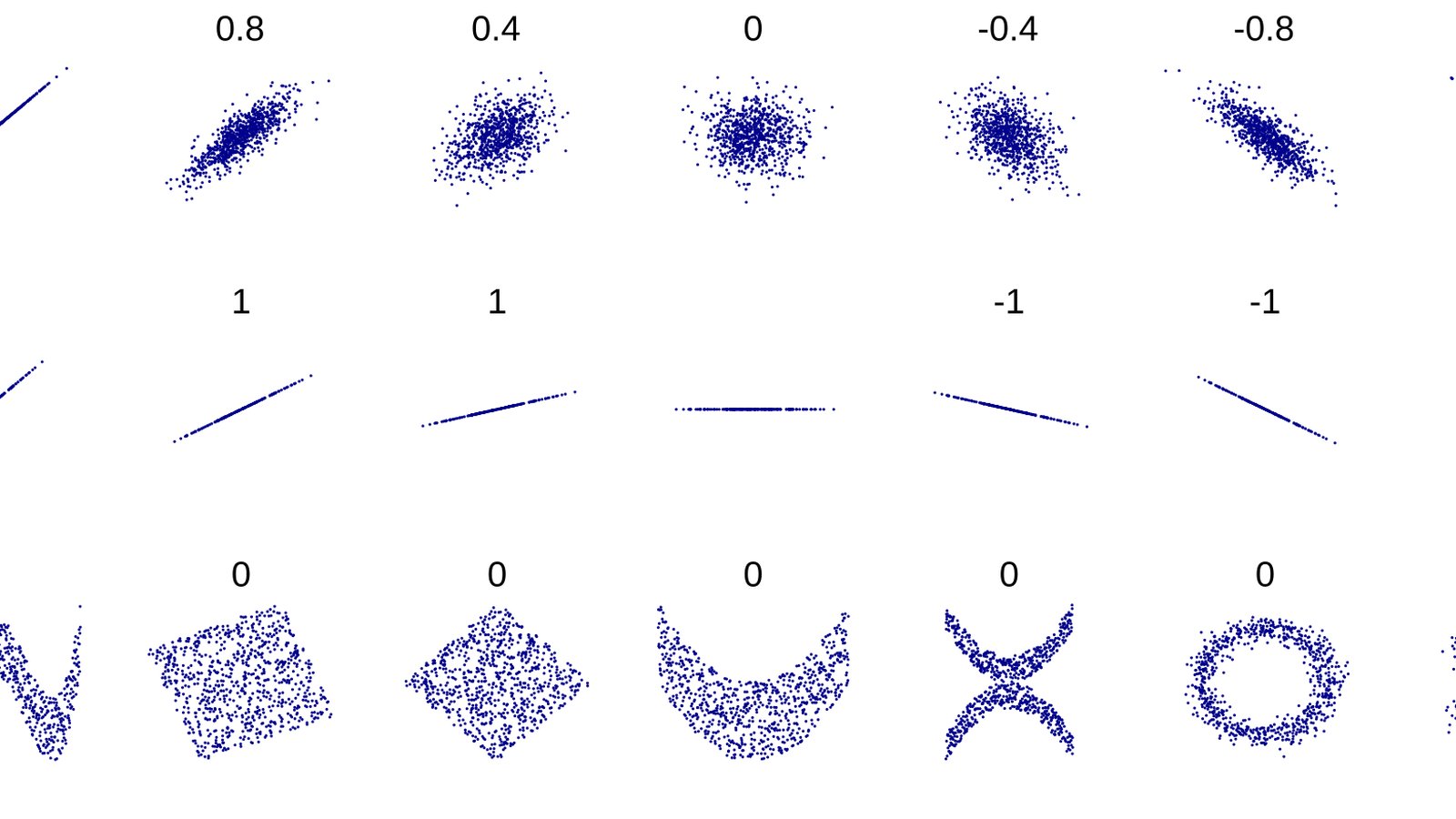
Correlation Does Not Determine Joint Tail Risk
Dependence is more than correlation. Two multivariate models can agree on every marginal distribution and on a global rank-correlation measure while disagree...
Read article
Annotator Disagreement Sets the Ceiling: What Label Noise Does to Every Number You Report
Two annotators agree on 82 percent of items. A model that predicts the truth perfectly will score 90 percent against their labels, and two models five points...
Read article
A t-SNE or UMAP Plot Is Not Evidence That Clusters Exist
A two-dimensional embedding is a model of selected relationships in the original data, not a neutral photograph of high-dimensional geometry. t-SNE and UMAP ...
Read article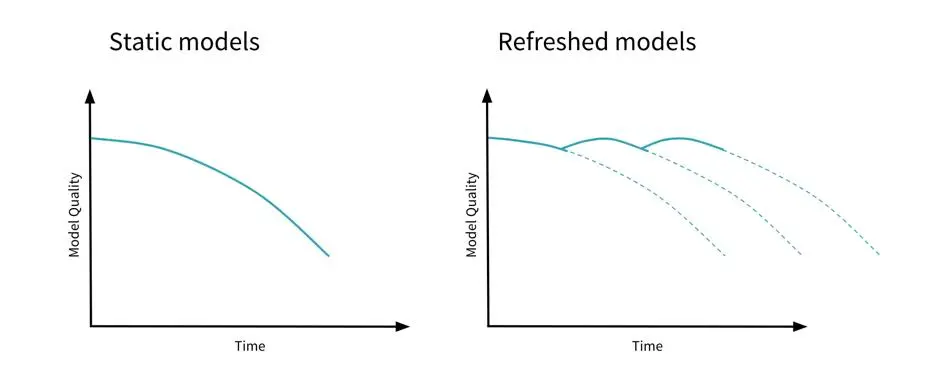
Selective Prediction in Machine Learning: When Models Should Abstain
Selective prediction gives machine learning systems a third option: predict when confidence is adequate and abstain when the cost of being wrong is too high.
Read article
Recurrent Failures: Why Time to First Failure Throws Away Two Thirds of the Data
Four hundred machines, 880 failures over three years. The time-to-first-failure analysis uses 299 of them, reports a rate a quarter too low, and cannot say t...
Read article
Urine pH Is Not Blood pH
Diet can alter renal acid load and urine pH. That does not mean ordinary food meaningfully “acidifies the blood” in a healthy person. Blood pH is tightly reg...
Read article