Articles, newest first
When Results Become Rhetoric: Evidence, Authority and Commercial Incentives in Online Health Communication
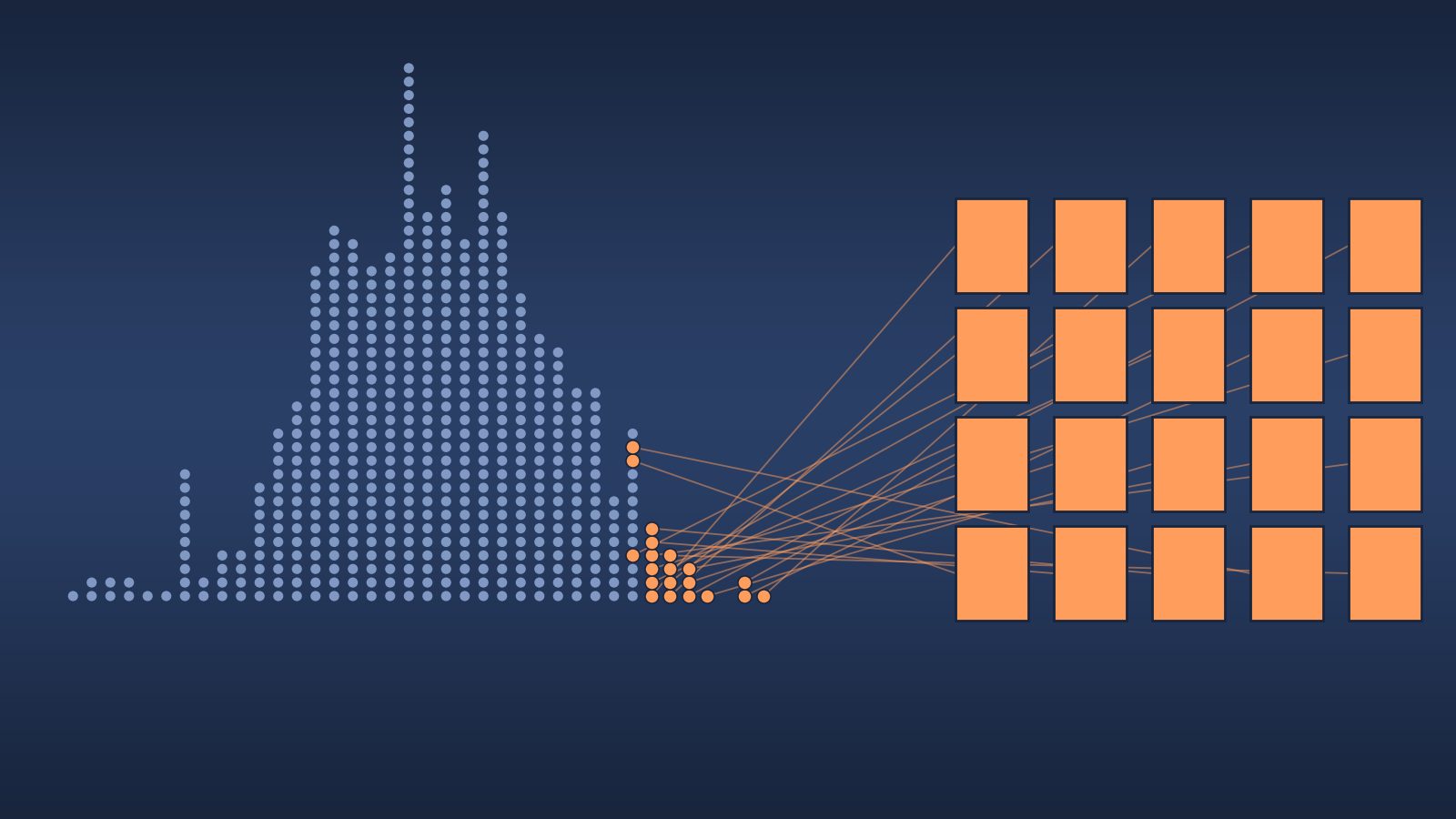
Client results can be genuine without supporting the explanation used to sell a method. A wall of the twenty best transformations says more about how many cl...
Read article
Paired vs. Independent Samples: The Design Choice Behind the Test
The choice between paired and independent tests is not a software option. It is a statement about the study design and the dependence structure in the data.
Read article
Network Structure Changes Dynamics Before Any Model Is Fit
Network topology is part of the data-generating process. The same node-level population can spread, fragment, synchronize and transmit information differentl...
Read article
Two Hundred Past Experiments Know More Than Your Next One
The experiment reports a 4.2 percent lift. The last two hundred experiments in the same programme had effects spread around a percentage point. Both facts ar...
Read article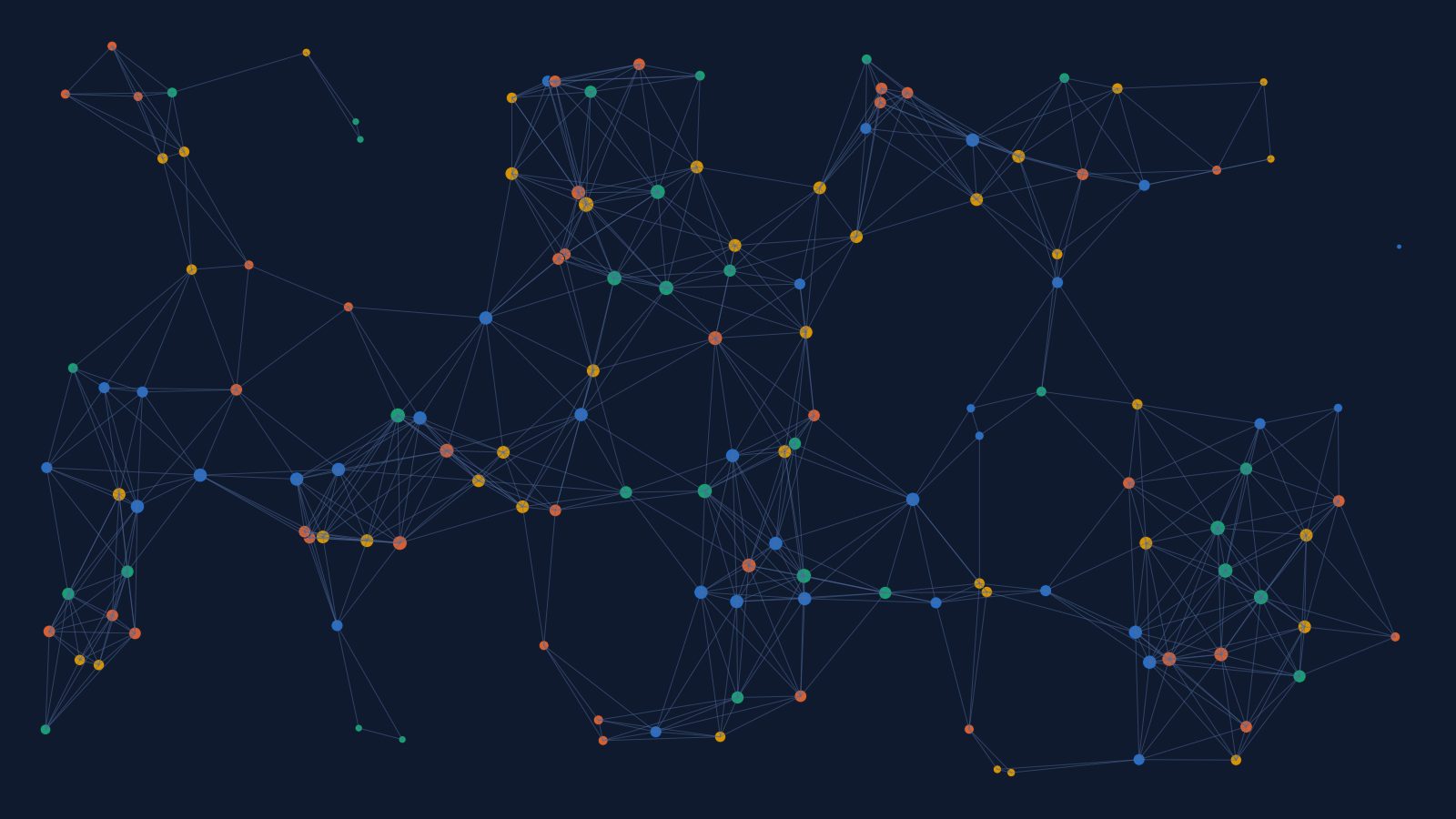
Quantile Regression: Predicting the Range, Not the Average
The model predicts 36 minutes and 40 percent of deliveries take longer. The customer did not ask for the mean. They asked when the parcel would arrive, and t...
Read article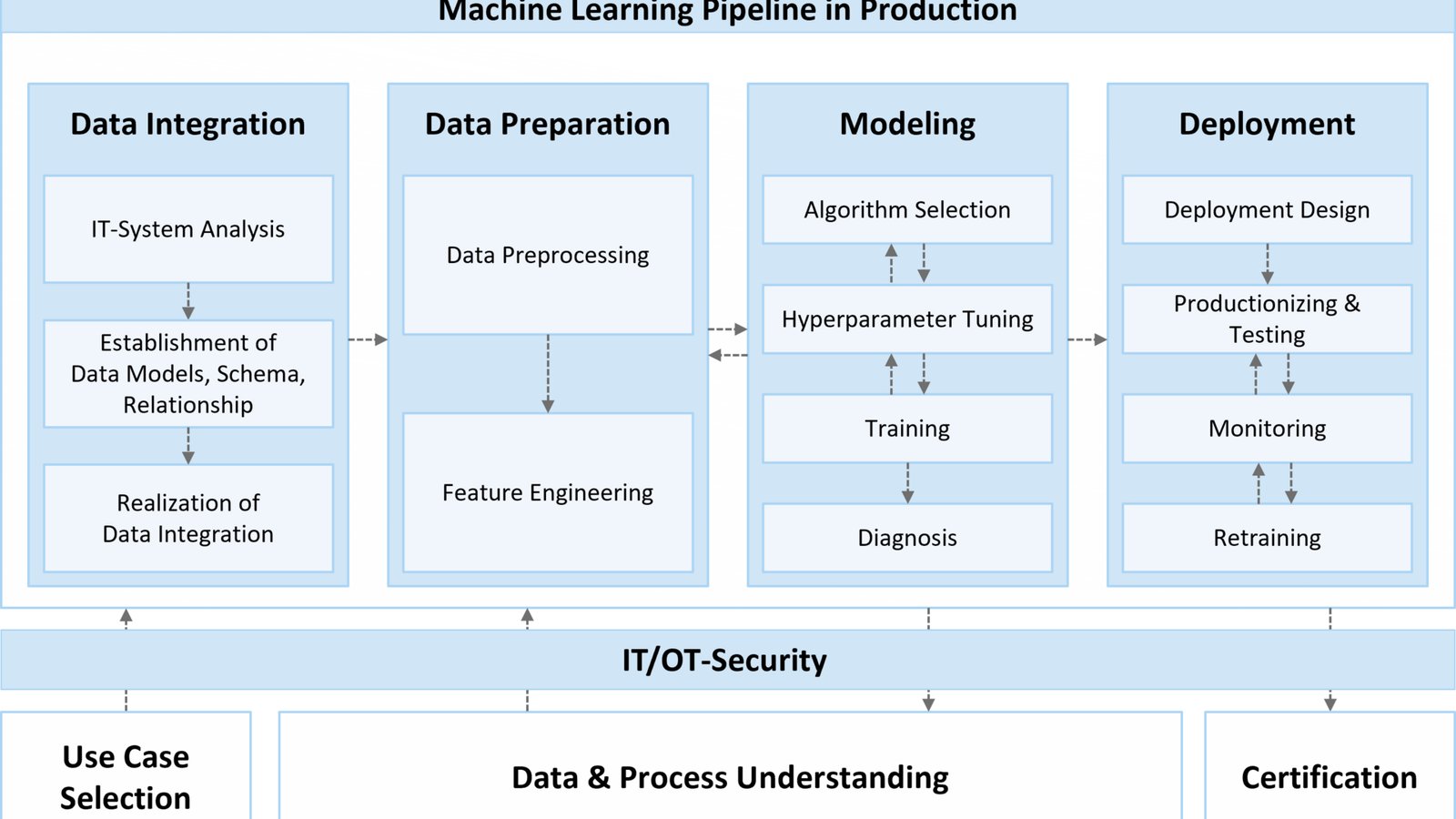
RAG, LoRA, and Fine-Tuning Solve Different LLM Problems
RAG, LoRA and fine-tuning are often presented as competing ways to improve an LLM. That framing is wrong. They intervene at different parts of the system, so...
Read article
Cortisol Is a Dynamic Signal, Not a Diagnosis
Cortisol is essential physiology. Pathological cortisol excess is real, but social media often turns a dynamic hormone into a catch-all explanation for belly...
Read articleThe Winner's Curse in Model Selection: Why the Best Validation Score Is Too Good
A hundred hyperparameter configurations are compared on a thousand validation cases. The winner scores 82.4 percent. Its true accuracy is 80 percent, and the...
Read article
The Inspection Paradox Is Length-Biased Sampling
The interval seen at a random time is not distributed like an interval chosen at random from the event sequence. Long intervals occupy more time and are ther...
Read article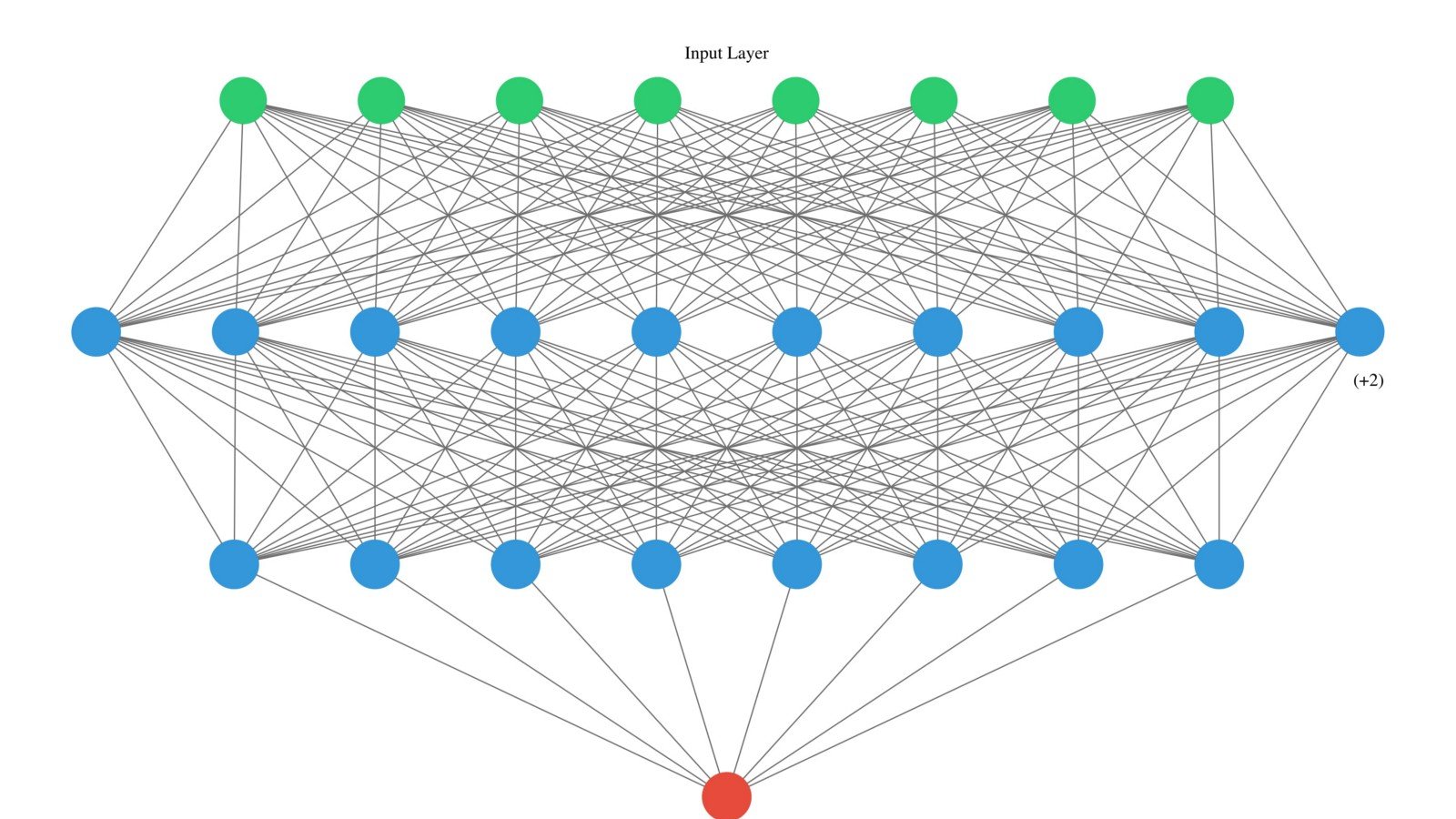
Slice-Based Model Evaluation: Finding the Failures Average Metrics Hide
Slice-based evaluation exposes where a machine learning model fails by breaking aggregate performance into meaningful subgroups, conditions, and operational ...
Read article