Articles, newest first
Natural Language Processing: Models, Tasks, and Evaluation
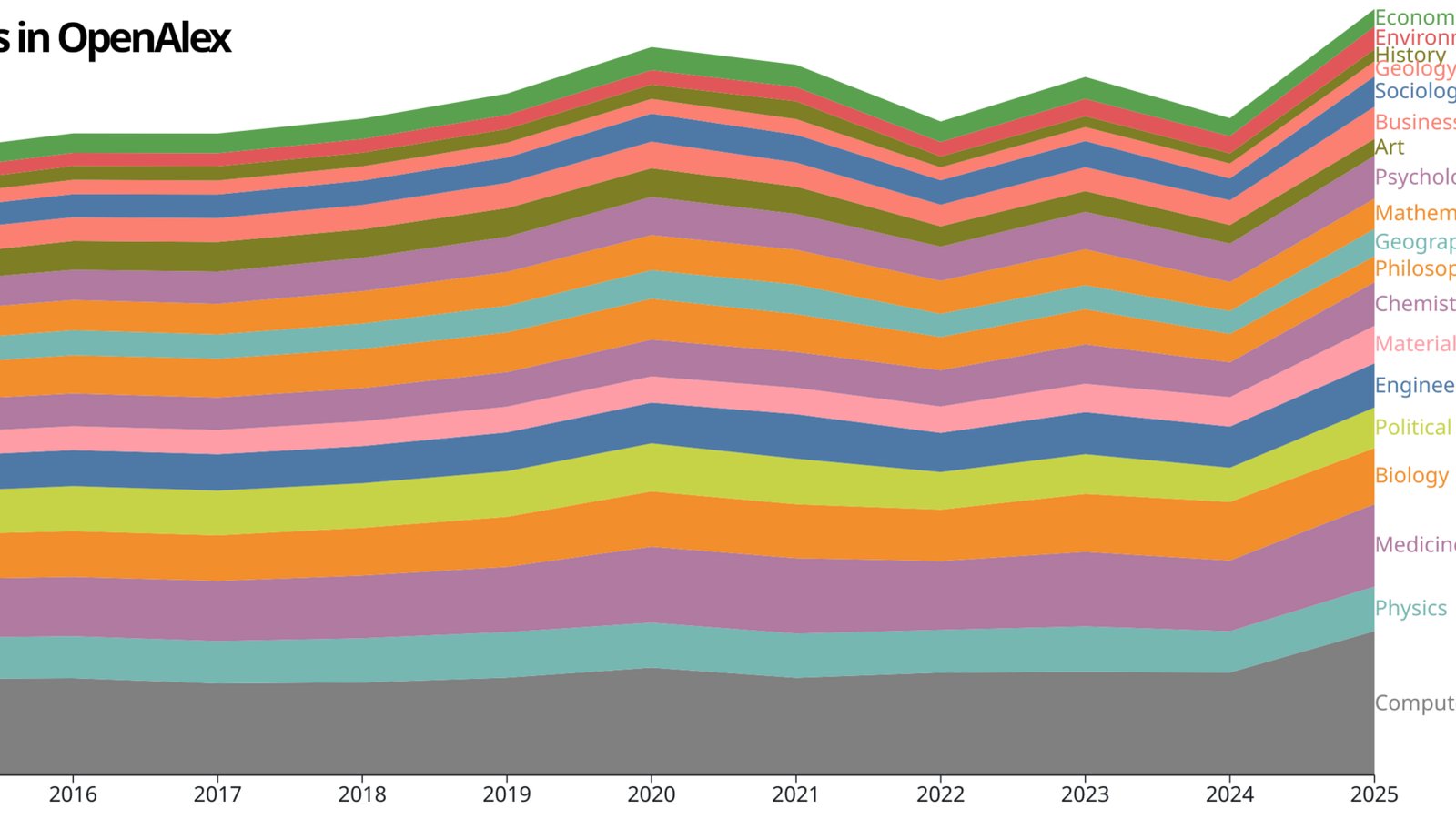
Modern NLP ranges from classical token-based models to pretrained transformers and language models. The core challenges remain representation, evaluation, do...
Read article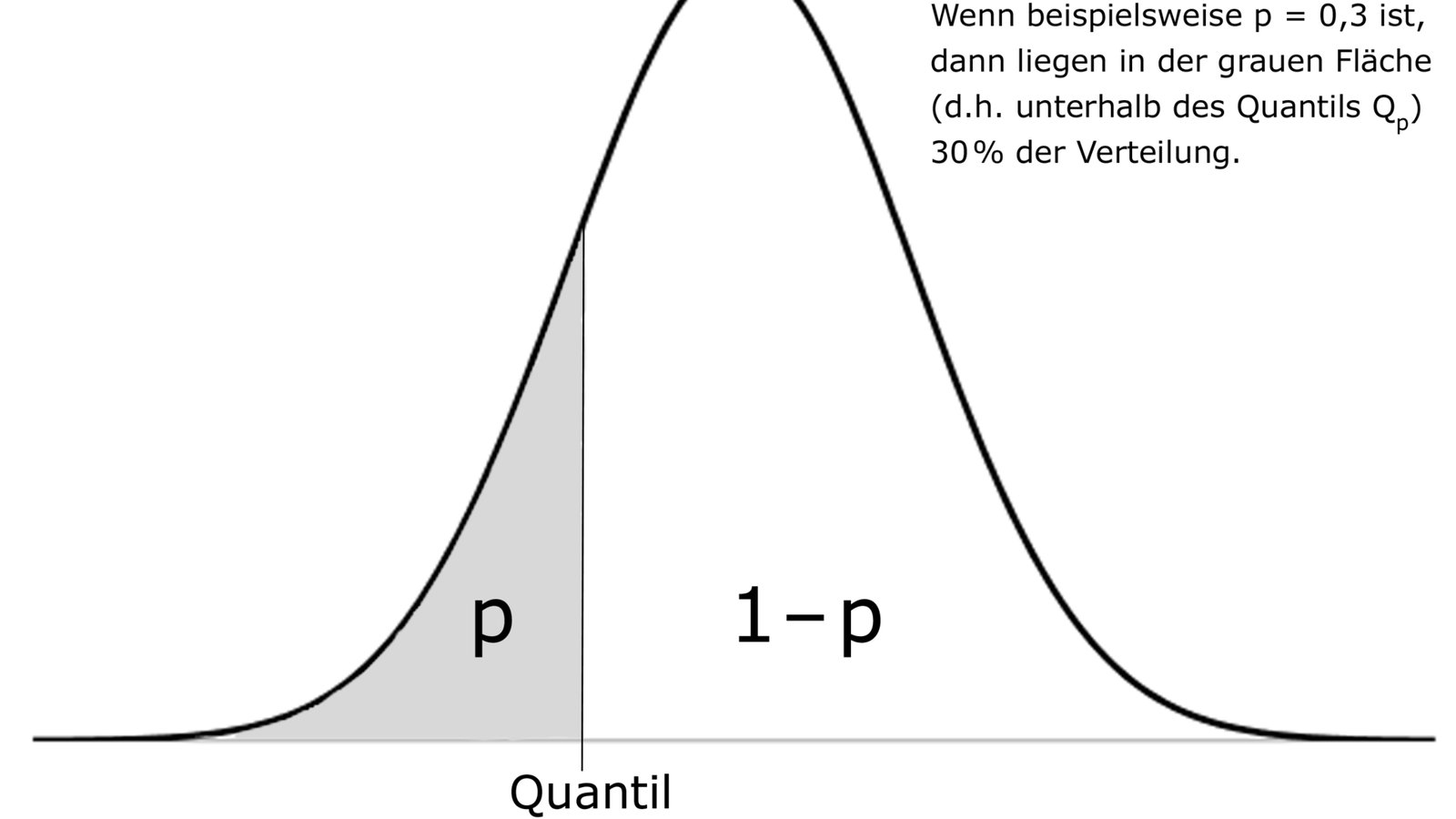
Coverage Probability in Statistical Inference
Coverage probability is a property of an interval procedure under repeated sampling. Nominal coverage, conditional coverage, prediction coverage, and calibra...
Read article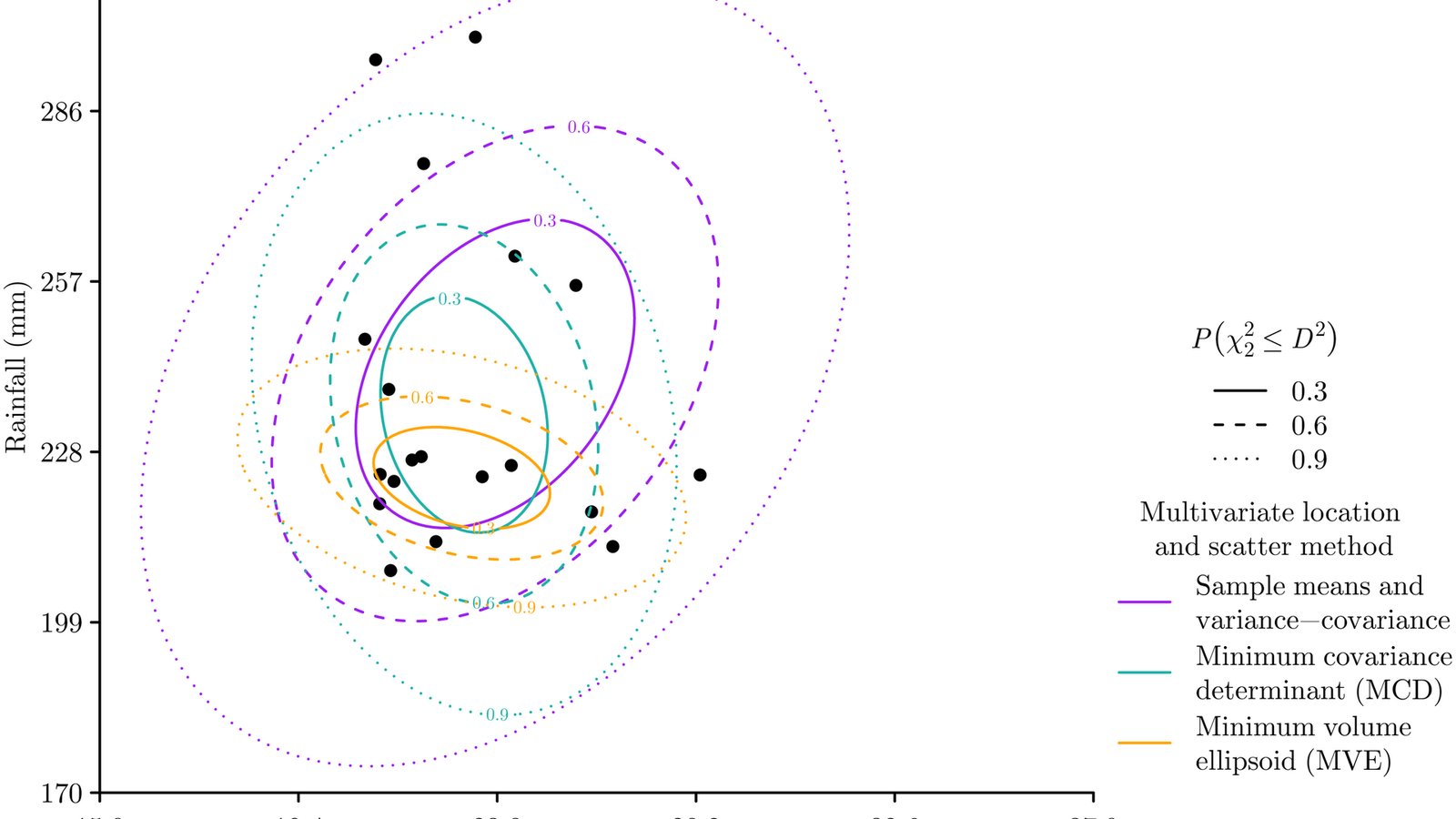
Stepwise Regression: Why Automatic Selection Is Fragile
Stepwise regression is an unstable search procedure, not a general cure for overfitting. Model specification should follow the prediction or inference target...
Read article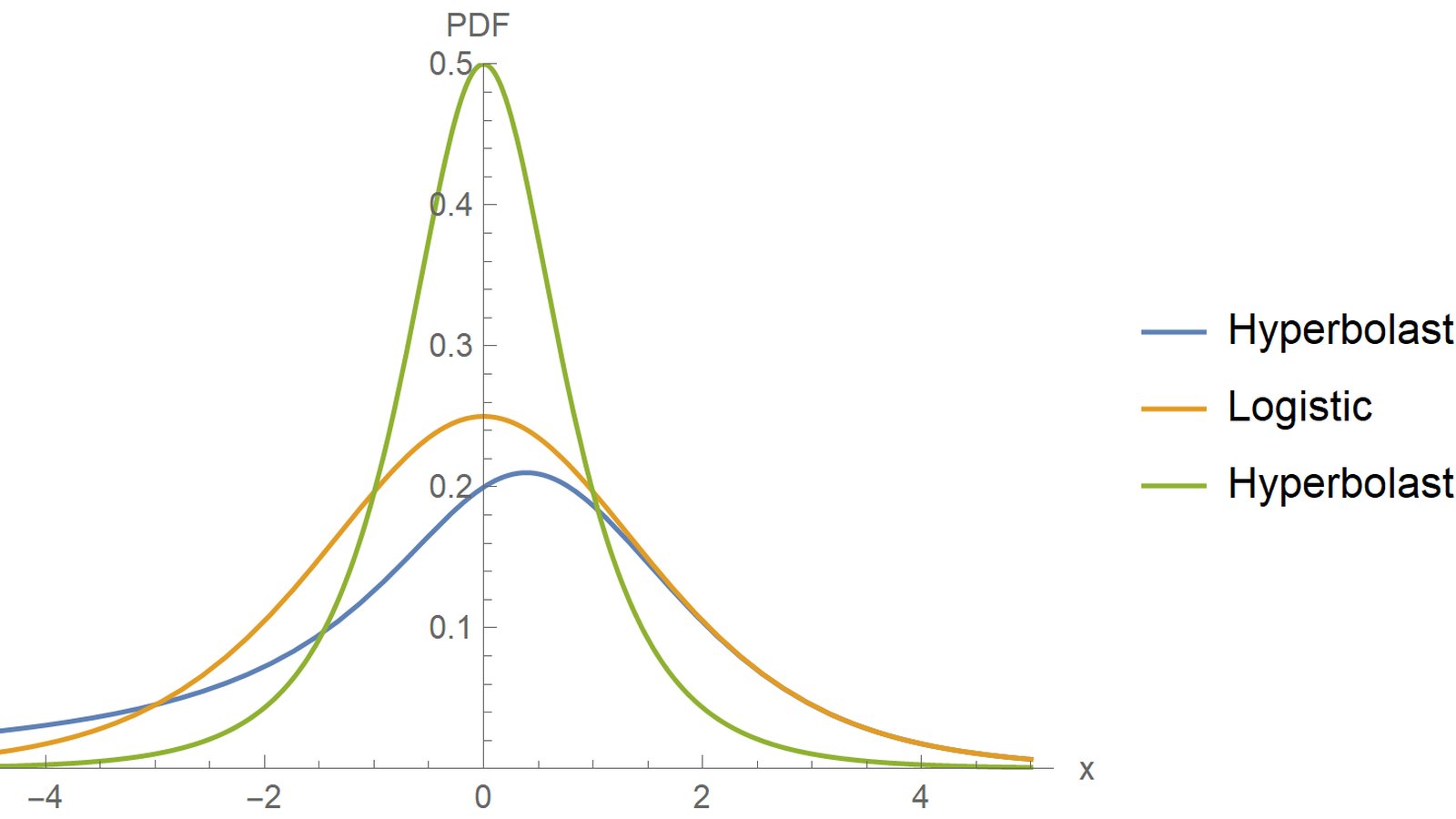
Sample Size: Power, Precision, and Design
Sample size should be derived from the estimand, design, effect size, uncertainty target, and error rates, not from a universal rule that more data are alway...
Read article
Data Communication: Preserve the Evidence
Good data communication preserves the structure of the evidence: the estimand, denominator, uncertainty, assumptions, and distinction between description, pr...
Read article
Quantitative Literacy: Reading Numbers Without Being Misled
Quantitative literacy is less about performing arithmetic quickly than about reasoning with ratios, uncertainty, variation, denominators, and evidence.
Read article
Rolling Windows in Signal Processing
Rolling windows are local operators whose statistical meaning depends on window width, alignment, overlap, sampling rate, leakage control, and the signal-pro...
Read article
Traffic and Pedestrian Flow as Dynamical Systems
Traffic and pedestrian flow can sometimes be modeled with conservation laws and continuum approximations, but the analogy with fluids has limits that matter ...
Read article
The Risks and Limits of Artificial Intelligence
A sober analysis of AI risk requires separating present operational harms, labor-market effects, security risks, model limitations, environmental costs, and ...
Read article
Binary Classification: Probabilities Before Labels
Binary classification is not just choosing an algorithm. It requires a clear target, calibrated probabilities, realistic validation, and thresholds tied to d...
Read article