Articles, newest first

AI Fairness: Metrics, Trade-offs, Causal Assumptions, and Governance
Fairness in machine learning is often presented as though it were a technical property that can be measured once the model has been trained. That framing is ...
Read article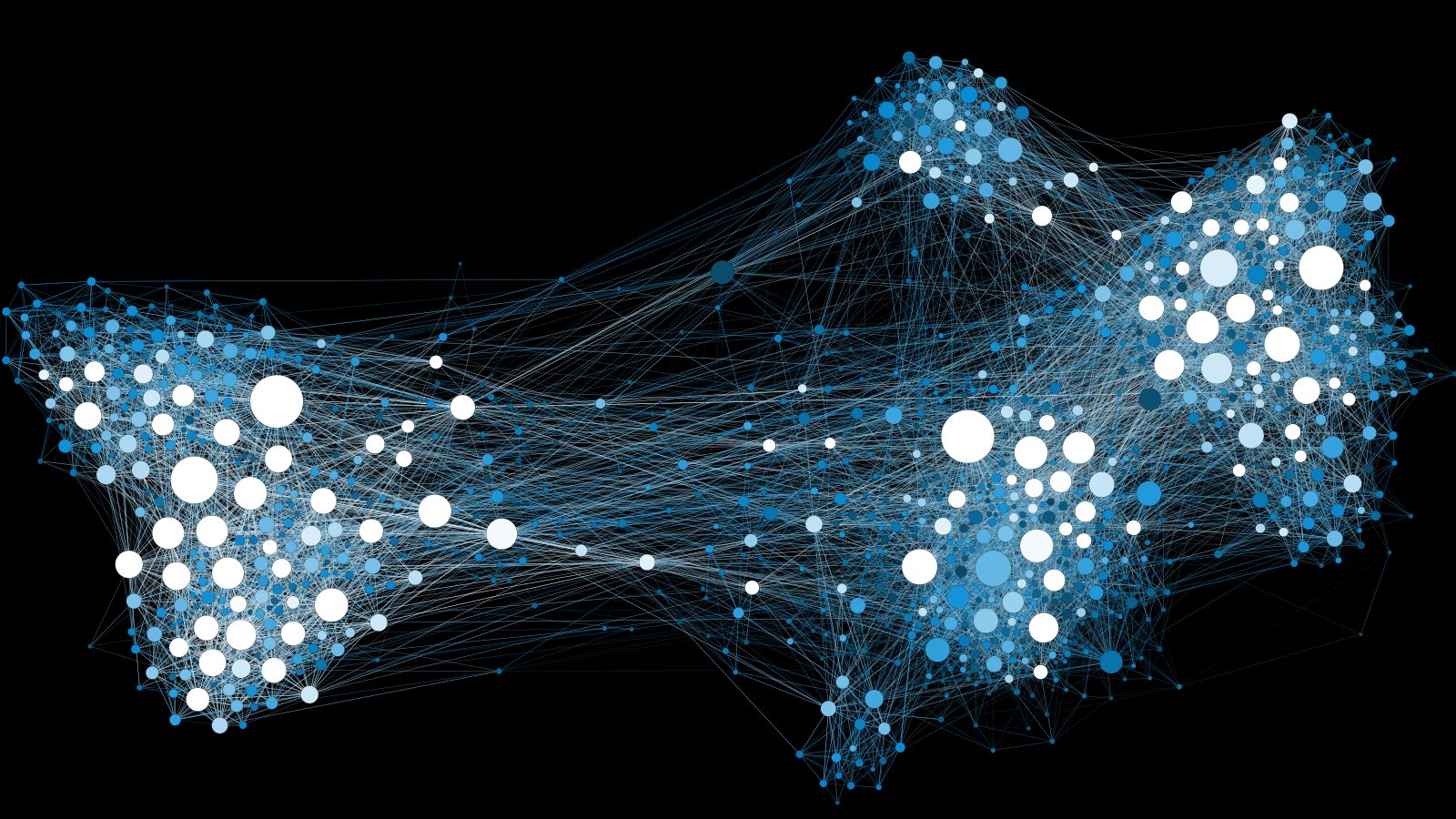
Detecting Multivariate Data Drift: From Distribution Shift to Model Risk
Multivariate data drift is a change in the joint distribution of model inputs. Detecting it requires tests that respect dependence structure, representation,...
Read article
P-Values: Sampling Models, Evidence, and Statistical Decisions
Few statistical quantities are used as widely, or interpreted as carelessly, as the p-value. The problem is not that the definition is especially complicated...
Read article
KL Divergence and Wasserstein Distance: Two Different Notions of Distributional Difference
Comparing probability distributions is deceptively difficult because there is no single universal notion of what it means for two distributions to be close. ...
Read article
Importance Sampling: Change of Measure, Variance, and Proposal Design
Importance sampling is one of the most useful examples of a simple probabilistic identity becoming a powerful computational method. The central idea is to es...
Read article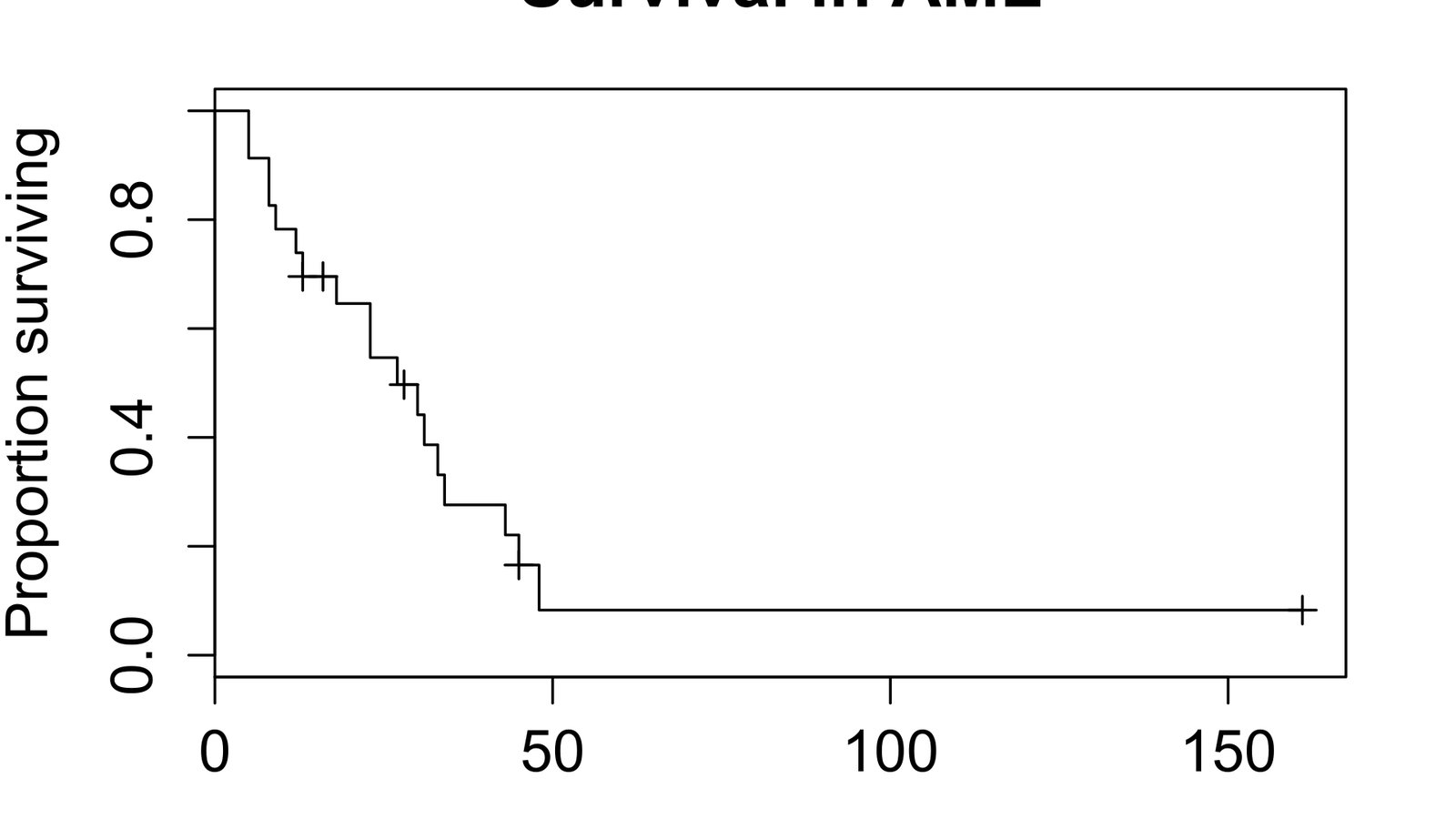
Survival Analysis: Censoring, Hazards, and Time-to-Event Models
Survival analysis is the statistical study of time until an event occurs, but that familiar description understates what makes the subject distinctive. The c...
Read article
Stratified Sampling
Abstract
Read article
GDP Data Analysis: Measurement, Revisions, and Limits
Read article
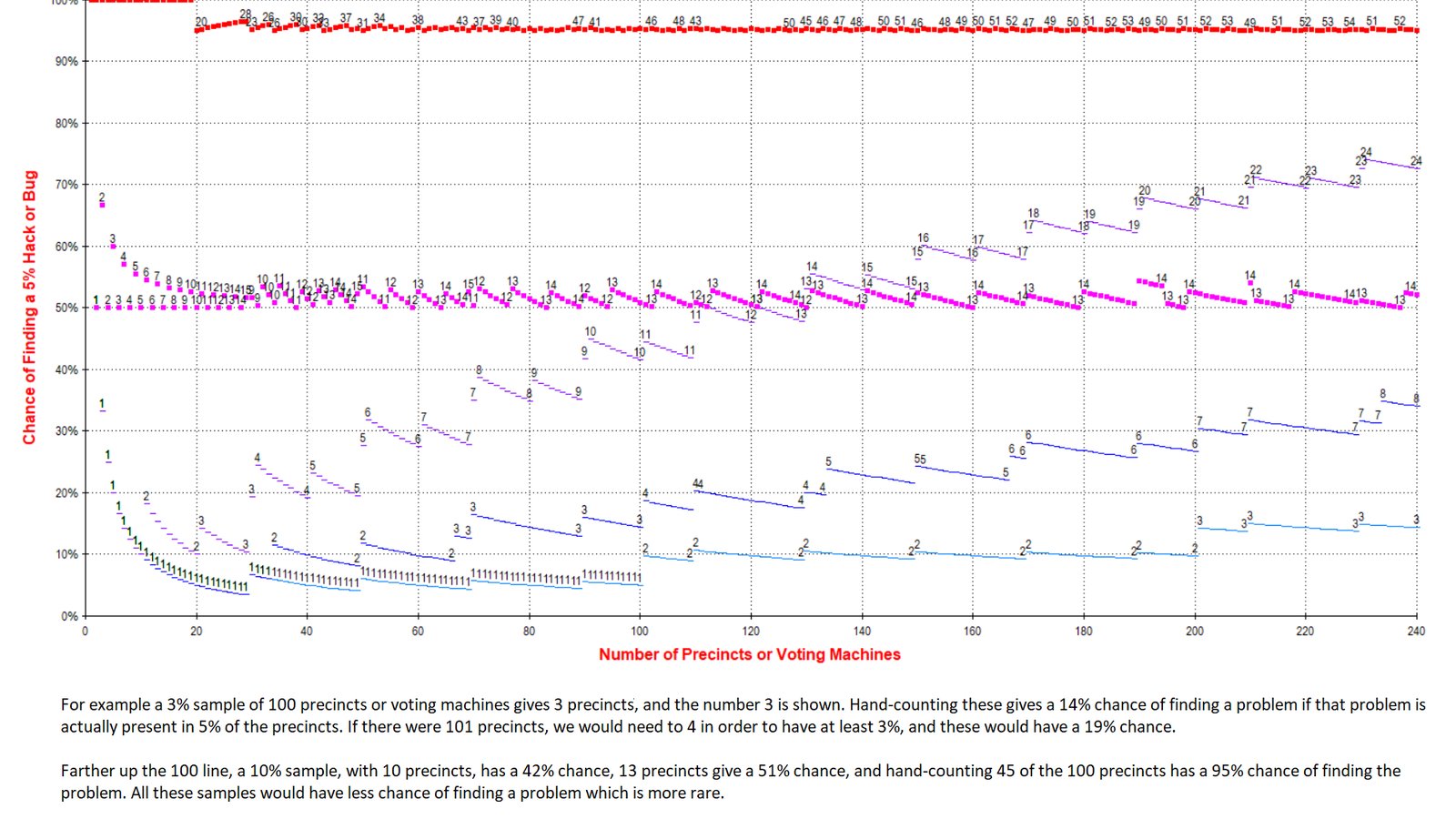
Kernel K-Means in R: Geometry Before Clusters
Kernel k-means replaces Euclidean distances in the original input space with squared distances in an implicit feature space.
Read article
Understanding t-SNE Without Overinterpreting the Map
t-SNE is a visualization method, not a general-purpose clustering algorithm and not a faithful low-dimensional reconstruction of all high-dimensional geometry.
Read article