Articles, newest first
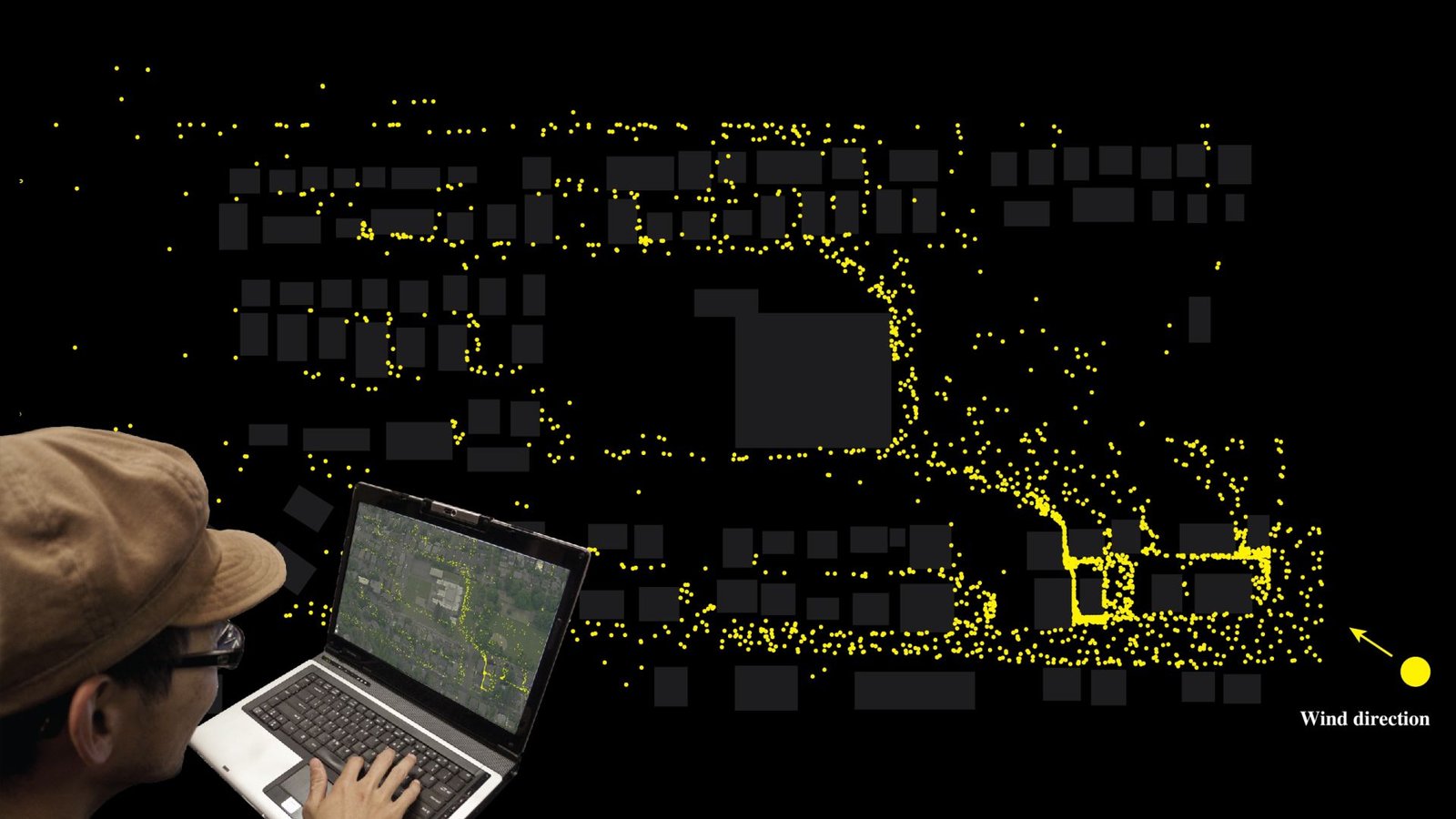
Modelling Count Time Series
Daily incident counts are integers, non-negative, often small, and correlated with yesterday. ARIMA assumes none of that and Poisson regression assumes indep...
Read article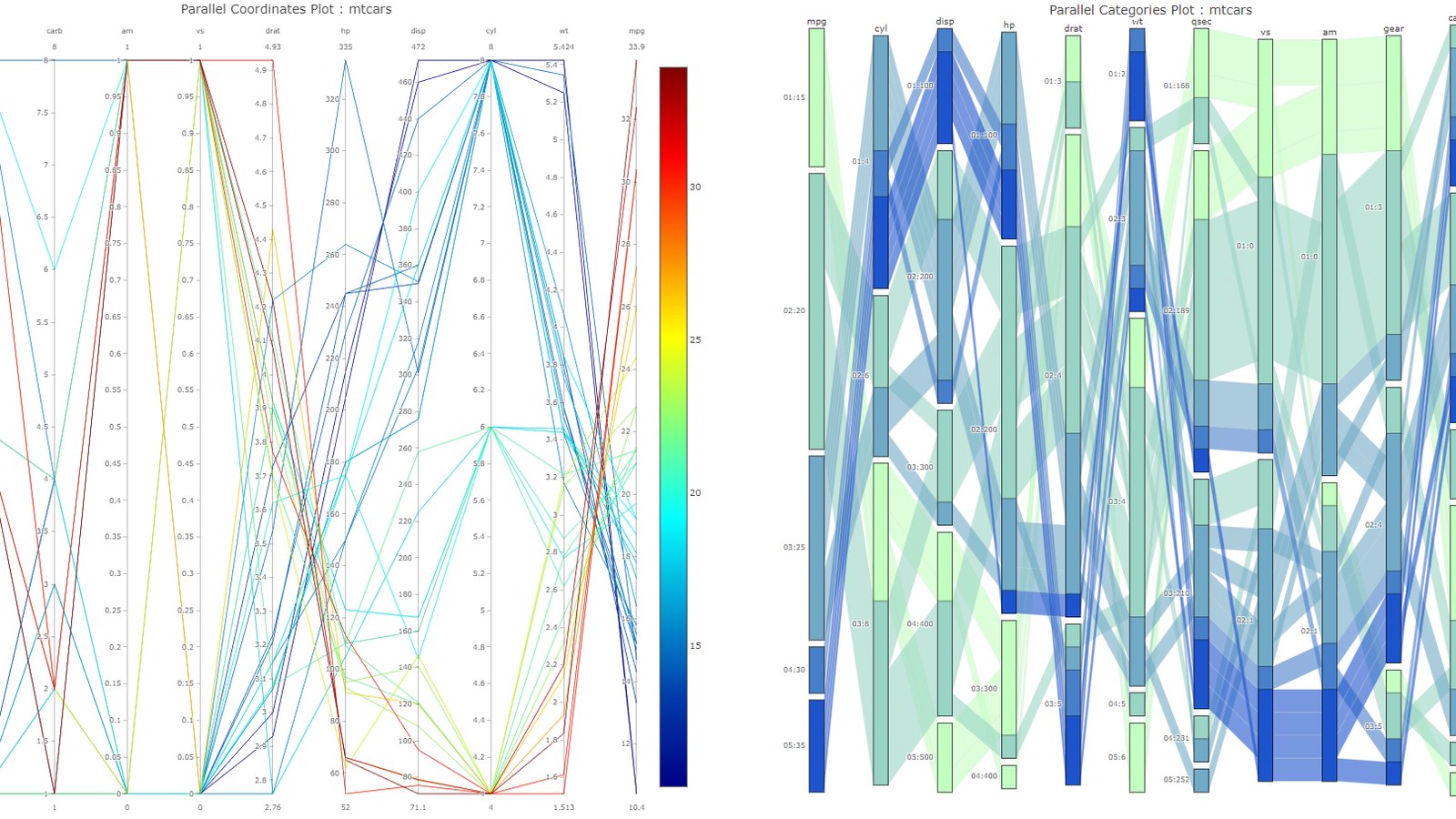
Long Memory and Fractional Integration in Time Series
Standard practice offers two options: the series is stationary, or you difference it. Some series are genuinely in between, and forcing them either way loses...
Read article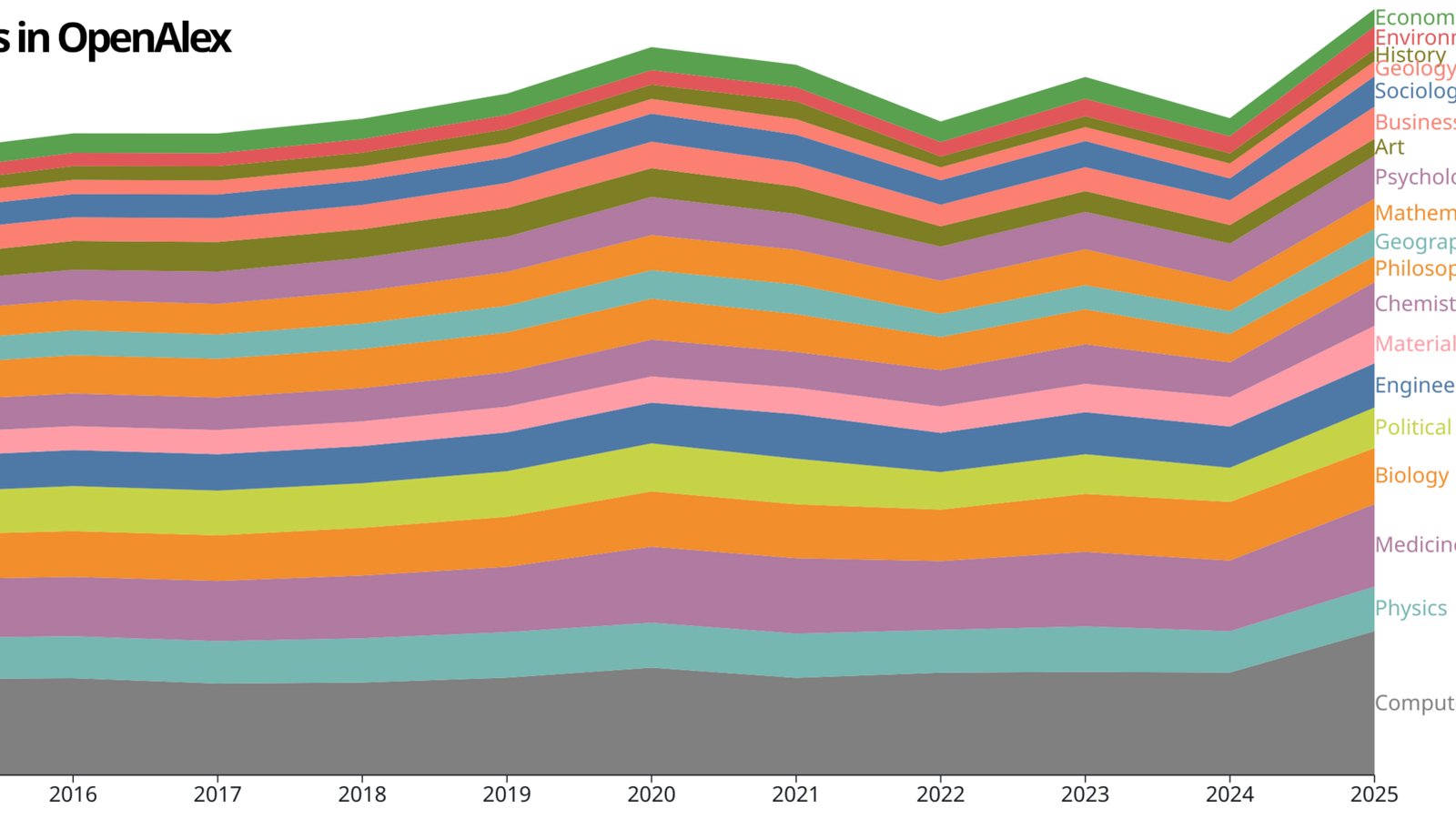
Dynamic Time Warping and Time Series Clustering
Two series can trace an identical shape while one runs slightly ahead of the other. Point-by-point distance calls them dissimilar; dynamic time warping does ...
Read article
Zero Failures in 300 Trials Proves Less Than You Think: Small Counts and Honest Intervals
The release passed 300 test runs without a failure. The failure rate compatible with that result, by the exact two-sided 95 percent interval, is anything up ...
Read article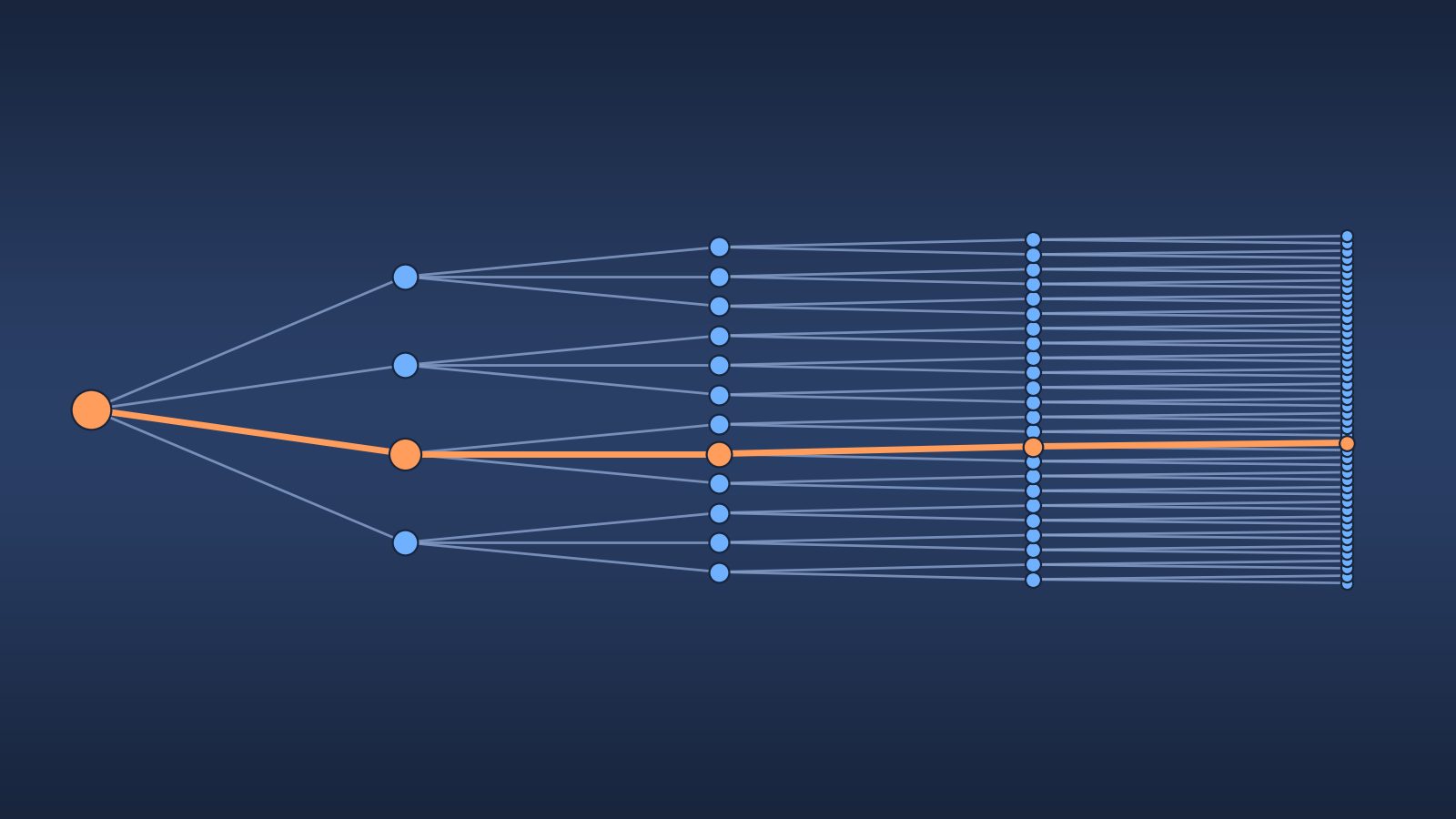
Preregistration, Protocols, and the Separation of Confirmation from Discovery
Preregistration is useful because it records what researchers intended to do before the results were known. Its value lies in auditability, not in turning a ...
Read article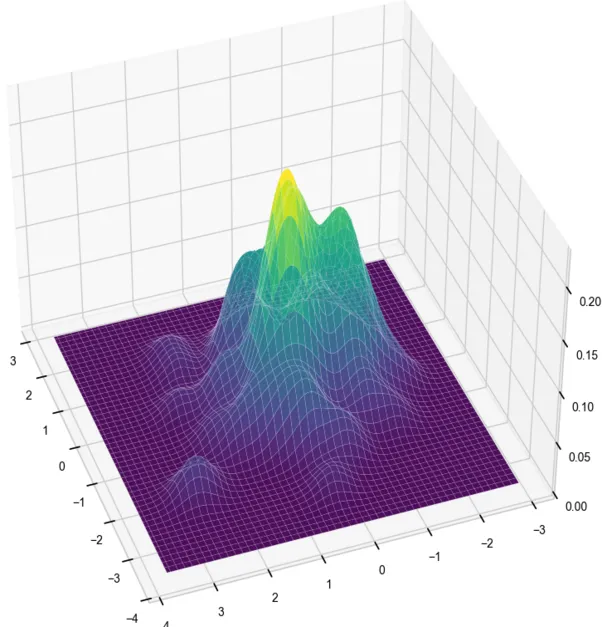
Gaussian Processes Are Distributions Over Functions
Gaussian processes are often presented as flexible regressors with uncertainty bands. Their real mathematical content is stronger: a kernel defines a prior o...
Read articleDigit Heaping: When Round Numbers Decide Who Breached the SLA
Sixty percent of the recorded handling times end in zero or five, and the process does not work in five-minute units. The mean is unharmed, the median is a m...
Read article
Competing Risks in Healthcare and Predictive Maintenance
Competing risks occur when more than one event can happen, and one event changes or prevents the chance of observing another.
Read article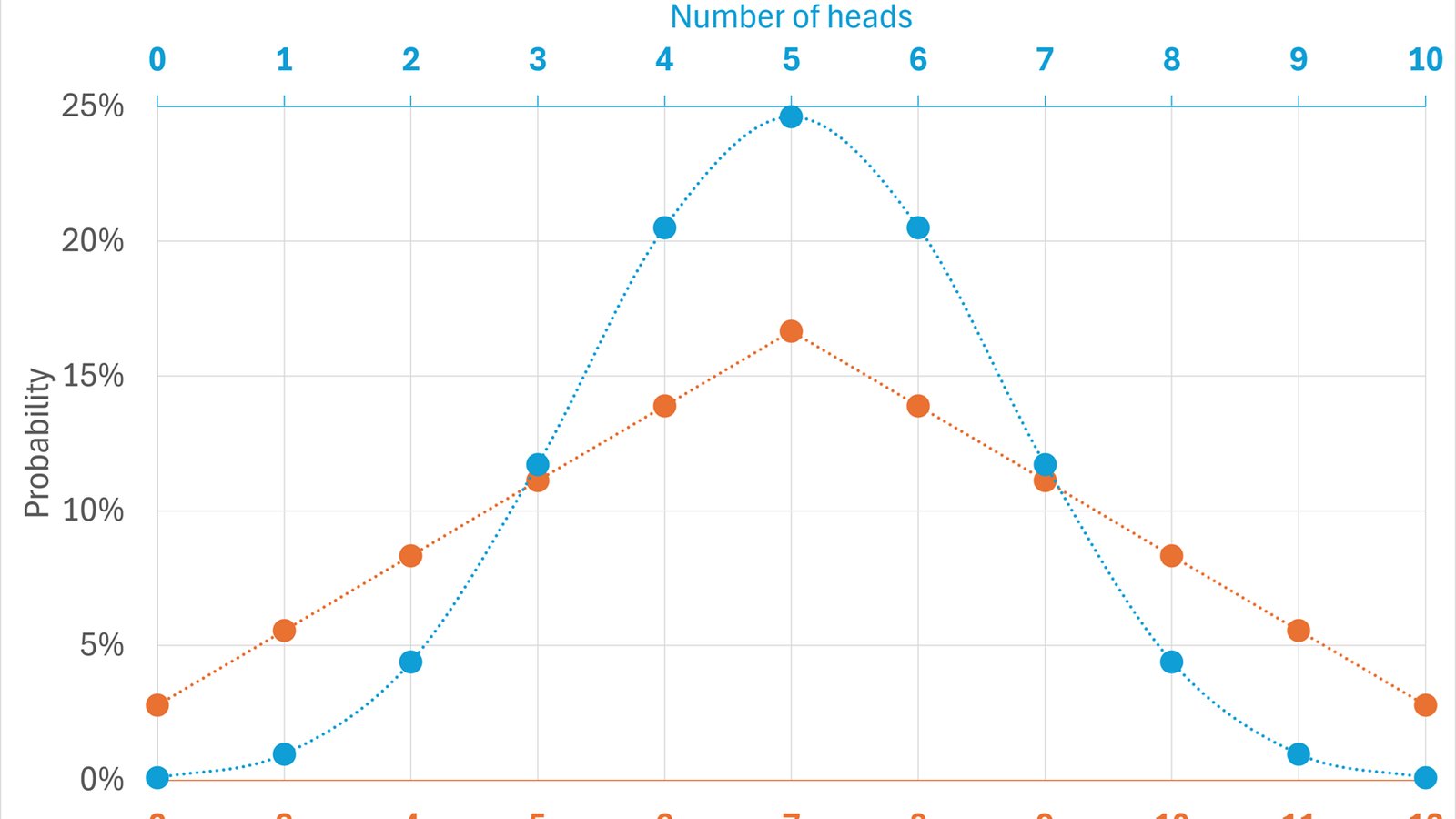
Read the Starting Risk Before the Percentage
A headline promising a 50% risk reduction leaves the starting risk unstated. Two hypothetical examples show how the same percentage can describe very differe...
Read article
Domain-Adaptive Pretraining Comes Before Instruction Tuning
Feeding domain documents into supervised fine-tuning is not the same as teaching a language model the statistical structure of a domain. Continued pretrainin...
Read article