Articles, newest first
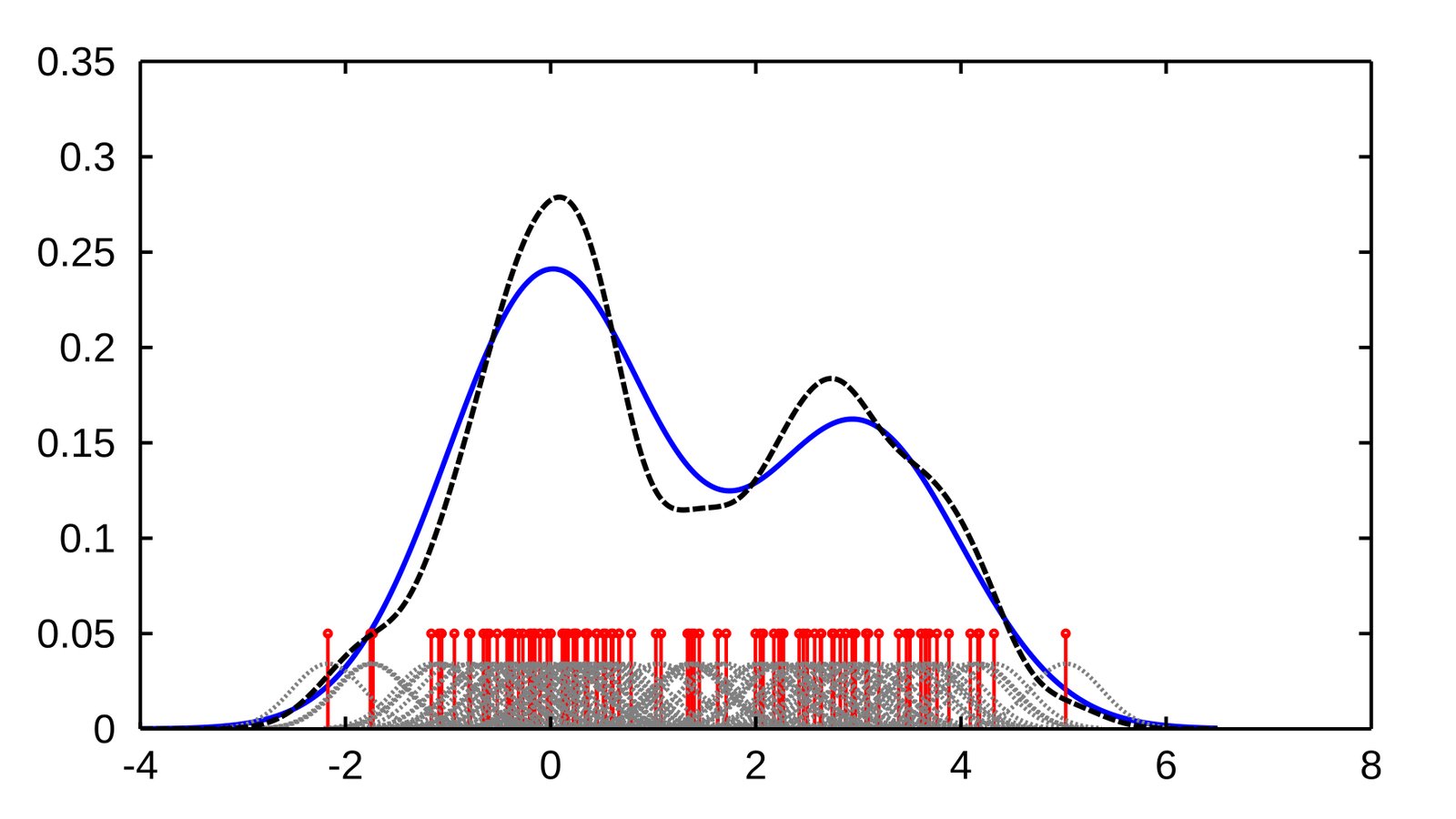
Cochran’s Q Test: Comparing Three or More Related Proportions
Understand Cochran’s Q test, a non-parametric test for comparing proportions across related groups, and its applications in binary data and its connection to...
Read article
ARIMA Modeling: Identification, Diagnostics, and Forecasting
ARIMA models stationary dependence after differencing. Model identification requires more than reading ACF and PACF cutoffs, and residual normality is not th...
Read article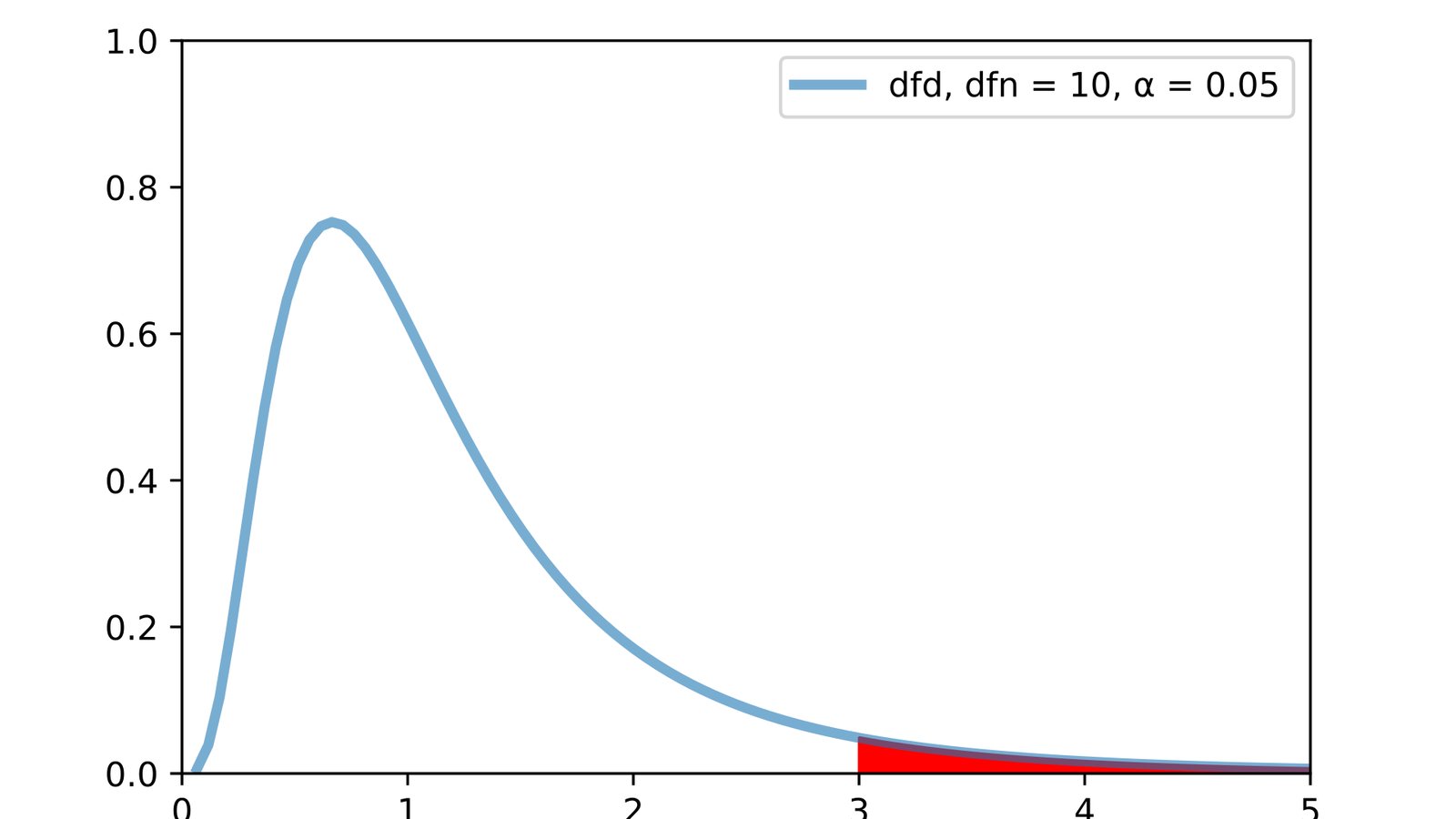
Ordinary Least Squares: What Its Properties Actually Require
OLS is a projection estimator with precise properties under specific assumptions. This article separates unbiasedness, consistency, Gauss-Markov efficiency, ...
Read article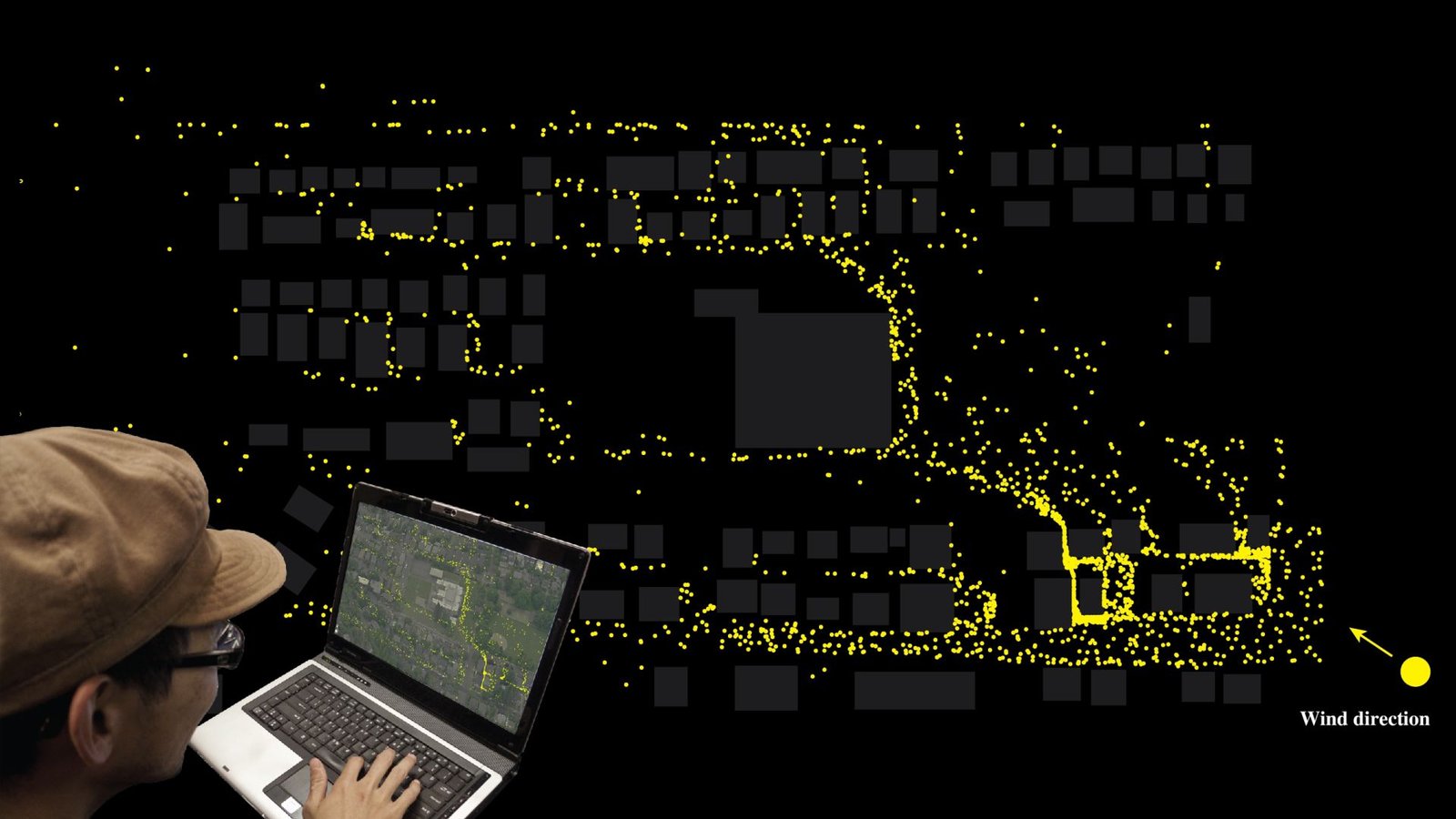
Analysis of the False Positive Rate (FPR) in Machine Learning
Learn what the False Positive Rate (FPR) is, how it impacts machine learning models, and when to use it for better evaluation.
Read article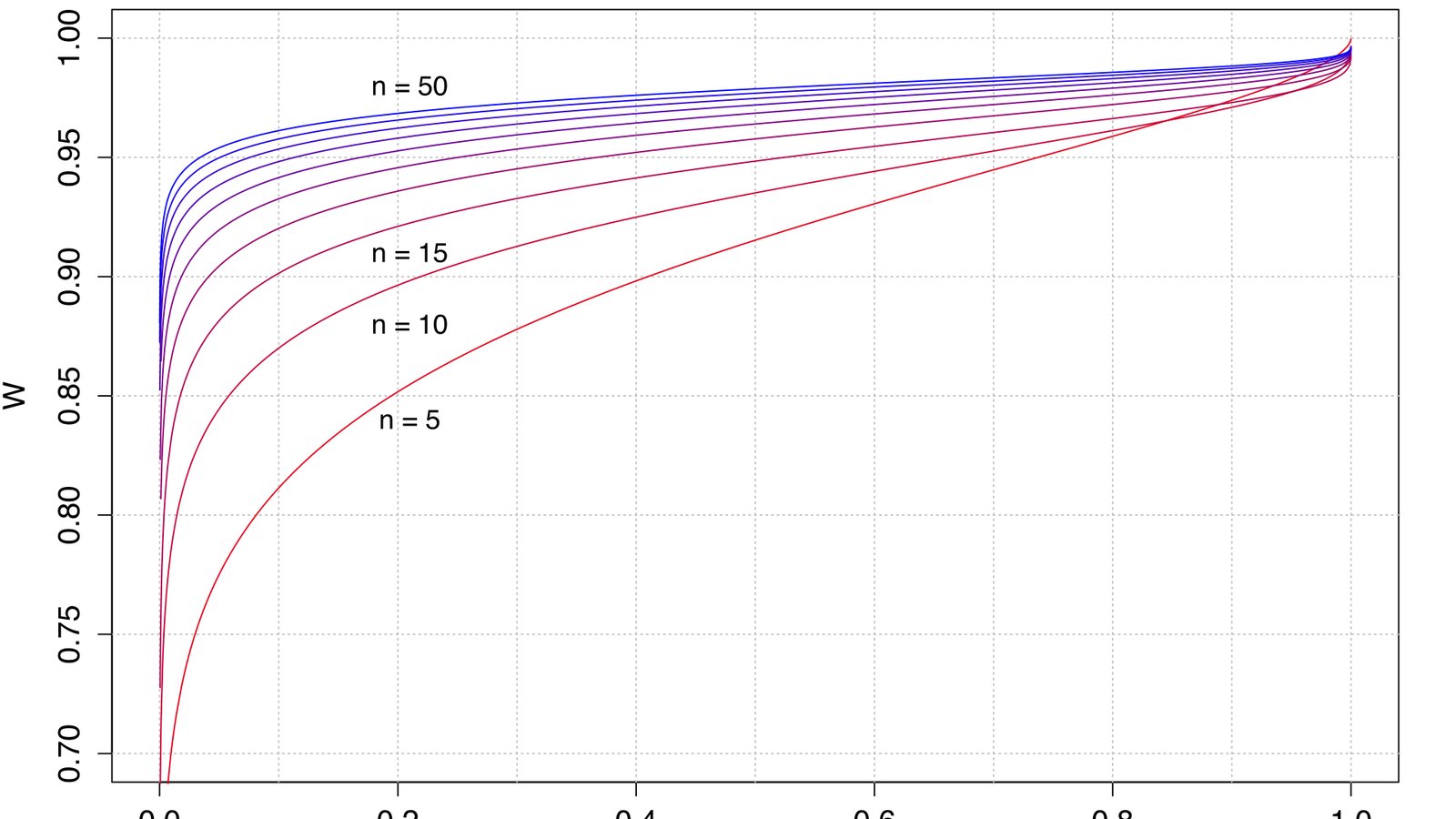
Shapiro-Wilk Test vs. Anderson-Darling Test: Checking Normality in Data
Learn about the Shapiro-Wilk and Anderson-Darling tests for normality, their differences, and how they guide decisions between parametric and non-parametric ...
Read article
Prediction Error: Cross-Validation, Bootstrap, and the Target Being Estimated
Prediction error is a property of a fitted learning procedure under a deployment distribution. Cross-validation and bootstrap estimators target it differentl...
Read article
Friedman Test: A Rank Test for Blocked Repeated Measures
The Friedman test compares within-block ranks across repeated conditions. It is useful for blocked or repeated-measures designs when a rank-based estimand is...
Read article
Sustainability Analytics: Measure the Environmental Outcome
Sustainability analytics should quantify environmental outcomes, baselines, boundaries, uncertainty, and rebound effects. Optimization is not automatically s...
Read article
Real-Time Epidemiological Surveillance: Streaming Data Is Not Enough
Real-time epidemiological surveillance is a streaming inference problem with delayed, revised, incomplete, and privacy-sensitive data. Low latency is useful ...
Read article
Type I and Type II Errors: Size, Power, and Study Design
Type I and Type II errors are properties of decision rules under specified parameter values. Their trade-off depends on the significance level, sample size, ...
Read article